
The pain from trauma runs deep, and its impact lingers in both the brain and body. And so often, people who have experienced trauma are embarrassed by their body’s response to the event – the way it shut down on them when they needed protection most. But in the video below, Stephen Porges, PhD explains […]
How to Get to the Heart of Resistance
The moment a client begins to resist, progress often comes to a crashing halt. But with the right strategies and a little creativity, we can usually get people back on course. For instance, when Marsha Linehan, PhD encounters resistance, she often starts to chip away at it by asking one key question. In the video […]
The Impact of Trauma on Future Generations
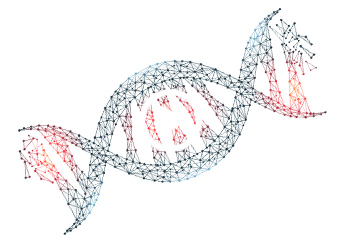
Could trauma’s impact be passed along genetically from one generation to the next? For years, Rachel Yehuda, PhD has been studying the biological impact of trauma on Holocaust survivors and their children. We discussed some of her earlier findings here. At that time, researchers were in the early stages of investigating epigenetic change – the […]
The Surprising Connection between Posture and Resilience
When patients can’t find words to describe their experience, we can often find clues . . . . . . in their posture, in the ways they move, and even in the limitations to their movement. According to Pat Ogden, PhD, when a client has a greater range of movement options – or “movement vocabulary” […]

How a Mindfulness-Based Kindness Curriculum Could Shape the Future

Many of our adult clients struggle with the ability to control their thoughts and impulses. These weak self-regulation skills can damage relationships, decrease success at work, and lead to addictive behaviors. What if we could have intervened early on in their lives, even as early as grade school? What kind of changes would that have […]
A Simple Mindfulness Practice to Restore Vitality
When clients lose their sense of aliveness and vitality, how can we help them reclaim it? According to Dr. Tara Brach, we can begin by helping them notice the tension in their bodies. In the video below, Tara shares a personal story of how this helped her reclaim her own sense of aliveness. She also […]
How Drama and Theater Can Rewire Limiting Beliefs

As practitioners, we sometimes have to be creative in coming up with interventions that will work for a particular patient. And this can be especially true when clients have deeply rooted limiting beliefs about themselves after trauma. Bessel van der Kolk, MD is a master at coming up with creative approaches to help clients work […]
Guilt vs. Shame [Infographic]
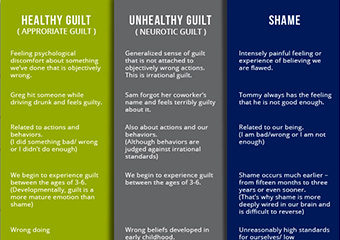
What are the differences between guilt and shame? And how could it help our clients to have a better understanding of those differences? We thought it could be useful for you to have a side-by-side comparison of these powerful emotions that you could share with your clients. Because understanding these differences could help our clients […]
How to Help Clients Build Resilience after Trauma

How can we foster resilience in clients who have experienced trauma? A person’s response to trauma is often to lock away the parts that were wounded by their experience. But that can leave them feeling protective and fragile – and fearful about being triggered again. In the video below, Richard Schwartz, PhD shows how working […]