
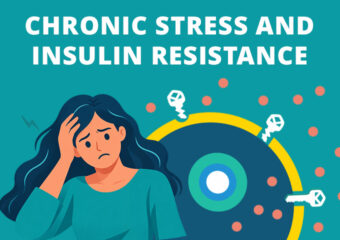
When a person senses danger, their body does something remarkable. It temporarily stops storing glucose, so every bit of it is available for energy (just in case they need to get away quickly). Now once the danger passes, that response is supposed to shut off. In this video, Sherita Golden, MD, explains what happens when […]
What Harvard Research Says about the Patient/Practitioner Bond

Here’s an intriguing finding out of Harvard University: a strong patient-practitioner relationship may benefit the practitioner as well as the patient. And researchers are beginning to identify some of the biological processes that could help explain why. In this video, Donna Jackson Nakazawa, an award-winning science journalist and author, walks through some of that research, […]
GLP-1s and Alcohol Use: What the Early Research Shows
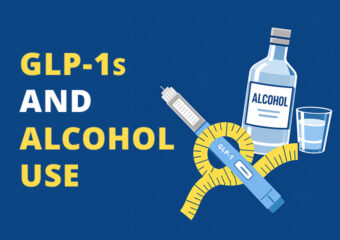
Could a medication commonly used for diabetes and weight loss also change a person’s drinking habits? New research suggests that it might. In this video, Arpan Patel, MD, walks through what a recent randomized trial found about GLP-1 medications and alcohol use. Take a look. It’s just over 4 minutes. As Arpan described, the research […]
When a Psychiatric Diagnosis Doesn’t Tell the Whole Story
What if the diagnosis a patient has carried for decades is hiding something else entirely? Christopher Palmer, PhD, tells the story of a woman who spent 20 years in a psychiatric hospital with a diagnosis that no one thought to challenge . . . . . . until someone finally asked a question no one […]
When the Brain’s “Construction Crew” Wreaks Havoc
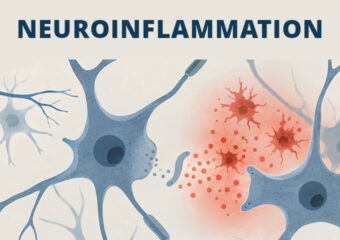
How does the brain respond to chronic inflammation? When immune cells show up in the brain, are they the problem, or are they trying to fix one? In this video, Jonathan Kipnis, PhD, a neuroscientist and immunologist, shares a simple analogy to explain neuroinflammation and what it’s actually trying to do. Take a look: it’s […]