

Not everyone who experiences trauma develops PTSD. So what might be boosting the resilience of the folks who experience trauma and don’t suffer from PTSD? According to Israel Liberzon, MD, of the University of Michigan, Ann Arbor, genetic factors might play a role. When combined with trauma in early childhood, a tiny DNA change (or […]
Three Ways Trauma Can Change the Brain

The treatment of trauma can be some of the most complex work practitioners face. And for years, this challenge was complicated by not having a clear picture of the impact that trauma has on the brain. But scientific advances within just the past few years have opened the eyes of practitioners to what actually happens […]
PTSD, the Hippocampus, and the Amygdala – How Trauma Changes the Brain
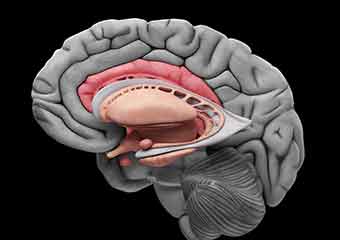
Emotional neurocircuitry . . . . . . it’s how the brain is wired for emotions. But in the brain of a person with PTSD, emotional distress could physically (and perhaps even visibly) change the neurocircuitry. In a normal brain, the interaction between the hippocampus and the amygdala is important for processing emotional memory. It’s […]
Neurofeedback Training for Trauma Treatment

Yesterday in the Rethinking Trauma webinar series, I had a conversation with Sebern Fisher, MA. Sebern is an expert in the use of neurofeedback and has seen tremendous success in implementing this revolutionary technology with patients. Some of the questions that have come up repeatedly are, “How do I get trained on using neurofeedback with […]
Healing a Traumatized Brain with Neurofeedback
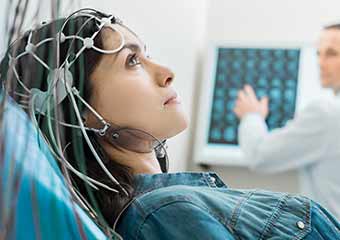
Pioneers in the field of brain science and the treatment of trauma are continually researching new ways to help treat post-traumatic stress disorder (PTSD) . . . . . . and it looks like they’ve found something that works with the plasticity of the brain to help people gain control over a restless mind. R.C. […]