

What helps with anxiety? Anxiety disorders represent the most common mental disorders experienced by Americans. These can range from PTSD to common phobias, and they wreak havoc in a person’s day-to-day life. A team of researchers led by David Creswell, PhD at Carnegie Mellon University recently wanted to find out what impact mindfulness practice could […]
Self-Compassion: The Secret to Reducing PTSD Symptoms?

One thing that can frequently increase the suffering of many patients with PTSD is shame. Even worse, shame can limit a patient’s treatment – even if they objectively know that there’s nothing to be ashamed of. But is there a way to trade self-judgment for self-compassion? And would that reduce a client’s symptoms? Asle Hoffart, […]
Helping Trauma Patients Shed Feelings of Shame
For someone who’s experienced trauma, feelings of shame often remain long after the painful event. So how can practitioners help clients begin to reclaim a sense of self-worth? Kerstin Jung, PhD and Regina Steil, PsyD, at Goethe University Frankfurt, in Frankfurt, Germany, wanted to find out whether Cognitive Restructuring and Imagery Modification (CRIM) could empower […]
How Does Mindfulness Change the Brain?
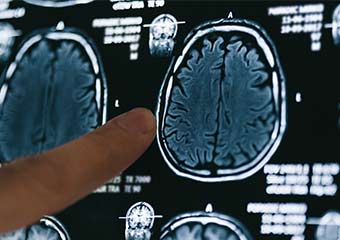
Mindfulness has been shown to be effective in relieving symptoms of depression, anxiety, and even chronic pain. But how does that happen? The other day, I told you about a study that looked at how mindfulness can change the anxious brain. As it turns out, scientists have confirmed another brain connection, with a surprising twist. […]
Could a Better Night’s Sleep Improve Treatment Outcomes for PTSD?

Is it possible that what happens with trauma patients at night could undermine all the hard work we’ve done with them during the day? Or asked another way, could improved sleep actually enhance our interventions with patients? We know that disrupted sleep patterns and nightmares are common symptoms of PTSD. But a team of researchers […]