

If a single traumatic experience can change a person’s life for years to come, what must an average day be like for someone who faces traumatic events on a routine basis? For people affected by war or natural disaster, where entire populations from infants to the elderly have been exposed to so much suffering, what […]
Reframing a Patient’s Response to Trauma so They Can Heal
When a trauma occurs, our bodies simply react. But sometimes, when the body immobilizes in the face of trauma, this shutdown response can leave some trauma survivors (and even their loved ones) wondering why they didn’t “do” more to protect or defend themselves . . . . . . and often, this feeling of helplessness […]
Epigenetics Might Help Us Predict How the Brain Responds to Threats
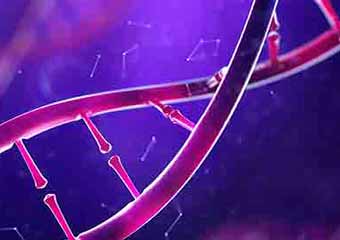
If you could predict how well your clients might be able to deal with stress, just based on a blood or saliva sample, would that change your treatment approach? There’s a specific gene that’s been getting a lot of attention lately because it affects how the brain processes serotonin – a chemical created inside the […]
Brain Science and Meditation: How to Improve the Brain

Stress is no joke. Aside from the sleepless nights and lots of tension, stress can also have a range of negative health effects. So how do you reduce stress? A team of researchers at the Jefferson-Myrna Brind Center of Integrative Medicine started looking for answers. They gathered 18 patients who had received a diagnosis of […]
Guided Imagery and PTSD: A Different Approach to Treatment
When I visualize a traditional therapist’s office, and then a military boot camp . . . . . . I come up with two very different images. It might seem obvious to those of us within the helping professions that, in order for treatment to be effective, we need to match the intervention to the […]