
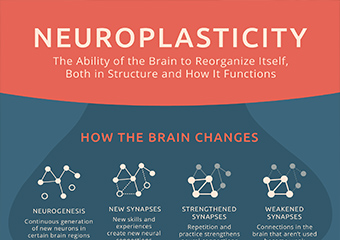
Neuroplasticity, simply, refers to the brain’s ability to change and form new connections. When neuroscience began to discover more about the brain’s remarkable ability to change, it opened up new ways of thinking about our work with patients. By harnessing the power of neuroplasticity, we can help patients think more clearly, learn more easily, develop […]
Olympic Training for the Brain?

Do Olympic athletes have strong brains as well as strong bodies? Research has shown the benefit of exercise in improving cell health (including brain cells), boosting the brain’s natural anti-anxiety drug, and strengthening the aging brain. But we still have a lot to learn about exactly how exercise changes the brain. Recently, a team of […]
How to Help Clients Process Their Fears about World Events

When you look at the news, there’s pain and violence on every broadcast. But is this something we should help our clients process? Patrick Dougherty would say yes. And he has some clear, helpful guidelines for how to bring up difficult and divisive political and social issues in therapy. It’s one way we can help […]
Could Yoga Hold the Key to Healing a Patient’s Trauma?

Approximately 10 million women in America have been physically assaulted at some time in their life. Yes, that’s a sobering statistic. But the far-reaching effects of violence against women are even darker. Over a third of these survivors experience Post-Traumatic Stress Disorder with increased rates of depression, obesity and heart disease. So how do we […]
5 Ways to Create an Anti-Depressant Brain
Depression can rob people of their sense of aliveness and vitality, interfere with job performance, disrupt relationships, and increase the likelihood of self-harm. So are there tools we can use to help clients reduce and even prevent suffering from depression? My friend, Elisha Goldstein, PhD has identified 5 natural ways to create an anti-depressant brain. […]