
• Skip to primary navigation
  • Skip to main content
  • Skip to primary sidebar

NICABM home pageNICABM

Better outcomes. More quickly.

  • Home
  • Courses
  • Experts
  • Blog
  • Contact
  • Log In

A Mistake Practitioners Might Make When Their Patient Is Stuck in the “Attach/Cry-for-Help” Response

39 Comments

A Mistake Practitioners Make When Their Patient Is Stuck in Attachment based Trauma response

We know fight, flight, and freeze . . . . . . but recently the experts have identified several more defense responses to trauma, including “attach/cry-for-help.” This response is potentially the least understood, and it can be challenging to work with. And according to Kathy Steele, MN, CS, there’s a common mistake that practitioners make […]

A Simple Strategy for Dissociative Clients Who Lose Time
20 Comments

Working with dissociative clients during trauma treatment with Ruth Lanius, MD, PhD

When a client dissociates in session, there are many grounding techniques we can use to bring them back to the present. But what can help clients when they dissociate outside of your office – particularly when they report losing chunks of time? Below, Ruth Lanius, MD, PhD shares a simple yet effective strategy that helps […]

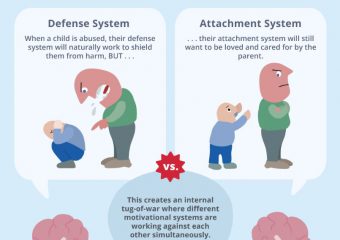
[Infographic] Working with Structural Dissociation
102 Comments

Treating Trauma Structural Dissociation Model Infographic

One challenge of working with trauma is when a patient’s dissociated “parts” are operating independently . . . . . . or worse, they’re at odds with each other. This can be very distressing for the patient (and lead to a dysregulated nervous system). But the Structural Dissociation Model developed by Kathy Steele, MN, CS, […]

The Differences in Dissociation Triggered by Shame and Terror – and How to Work with Each

21 Comments

The Differences in Dissociation Triggered by Shame and Terror with Bethany Brand on Trauma Treatment

Some of our most challenging work is with clients who have suffered from trauma – and when a client dissociates, that work can become even more complex. The way we approach a client’s dissociation may vary based on what triggered it. In the video below, Bethany Brand, PhD, will share the clues she looks for […]

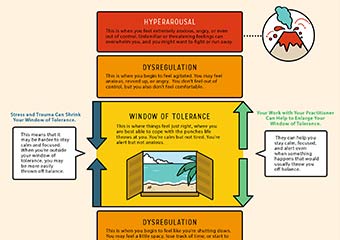
How to Help Your Clients Understand Their Window of Tolerance [Infographic]
139 Comments

Clients are best able to cope with stressors and triggers when they can manage the resulting emotions. So how can we help clients who struggle to manage the anxiety, anger, and pain brought on by everyday stressors? In situations like this, psychoeducation can be one of our best tools – and one helpful concept is […]

  • <
  • Go to page 1
  • Go to page 2
  • Go to page 3
  • >

Recent Posts

  • Hope, Gratitude, and Long-Term Wellbeing
  • Two Telltale Signs of Gaslighting and Manipulation (and How to Address it Clinically)
  • Two Cognitive Restructuring Strategies to Help Disrupt Grief-Fueled Rumination
  • A Gentle Yet Targeted Approach to Help Clients Who Feel Empty Inside
  • A Four-Step Process for Working with a Client’s Shadow Side – with Chris Irons, PhD

Categories

  • Antiracism
  • Anxiety
  • Attachment
  • Body-Oriented Therapy
  • Brain
  • Charity
  • Chronic Pain
  • Compassion
  • COVID-19 Pandemic
  • Depression
  • Emptiness
  • Exercise and Mental Health
  • Fear
  • Gaslighting and Manipulation
  • Grief
  • Healing Trauma
  • Infographics
  • Mindfulness
  • Nervous System
  • Neuroplasticity
  • Perfectionism
  • PTSD
  • Relationships
  • Resentment
  • Shadow Side
  • Shame
  • Spirituality
  • Trauma
  • Trauma Therapy
  • Uncategorized
  • Unworthiness

40 Wilbur Cross Way Suite 102
Storrs, CT 06268
(860) 477-1450

NICABM Logo

About Us
FAQs
Contact Us
Courses
Claim CE/CMEs
Accreditation
ADA Accommodation
Hiring
SITEMAP PRIVACY POLICY TERMS OF USE

CONNECT WITH US

Facebook Logo YouTube Logo Instagram Logo

40 Wilbur Cross Way, Suite 102
Storrs, CT 06268
Phone: (860) 477-1450
respond@nicabm.com
Copyright © 2025