

What Every Practitioner Needs to Know About Inflammation, Metabolism, the Microbiome, and GLP-1s
Could the body be shaping the mental health symptoms you treat?
The mind and body are deeply interconnected. We’ve known this for a long time.
But unless you’re a health psychologist, your training probably didn’t cover this in much depth.
Right now, four rapidly evolving areas of medicine are producing findings that no serious mental health practitioner can afford to ignore . . .
. . . because each one connects to mental health in ways we couldn’t measure a generation ago. For example:
- We’re seeing that inflammation is turning out to be relevant in so many conditions – not only those like cardiovascular disease and chronic pain, but also in depression.
- We’re understanding that metabolic health can have a profound impact on not only our physical function, but on our mental capability – it can play a role in cognitive decline and dementia.
- We’re mapping the gut-brain axis and finding that the microbiome – that’s the ecosystem of bacteria living in the digestive tract – plays an active role in mood, anxiety, and how we think.
- And finally, we’re seeing how GLP-1s are reshaping the conversation about brain and body in ways the broader field is still catching up with – especially when it comes to addiction, inflammation, and metabolic health.
A mental health practitioner unfamiliar with these four areas is working with an incomplete picture of the landscape their practice inhabits.
Now you may not be ordering lab work or changing anyone’s medication.
But you need to know what’s unfolding in adjacent professions to better understand the full picture of what shapes your patient’s health.
Because when you have that bigger picture, it changes how you see the patient sitting across from you.
But here’s the thing – most mental health training programs aren’t covering this in any depth.
Which means the responsibility falls to you . . .
. . . to stay competent and conversant in the advances happening across the broader landscape of health and medicine.
. . . to know what is being discovered in the fields that sit alongside your own.
. . . to be the kind of practitioner who can engage meaningfully in the conversations that already defining where the field is headed.
The practitioners who get in on this conversation (early and immediately) will practice differently than those who don’t.
Not because their core techniques will change overnight, but because the way they see their work — the questions they ask, the connections they make, the depth of understanding they bring — will be fundamentally richer.
That’s what this program is designed to make possible . . .
Get all 4 modules, plus transcripts, QuickStart Guides, and bonus content.
Now 50% Off for a Limited Time
Register here to watch for free at the time of broadcast.
— All New Program —
The Body-Mind Connection: Expert Insights on Inflammation, Metabolic Health, the Microbiome and GLP-1s

Chronic Inflammation, the Brain, and Depression: How to Fold the Newest Research into Your Clinical Thinking
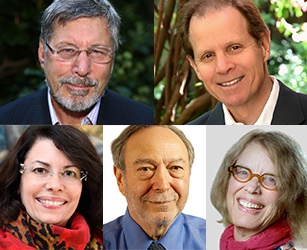
Charles Raison, MD; Elissa Epel, PhD; Jonathan Kipnis, PhD; Chris Palmer, MD; Anna Marsland, PhD; Donna Jackson Nakazawa; Anna Huysse, PhD
- What happens when inflammation becomes chronic (and, why it turns up in so many different conditions)
- How inflammation in the body can influence inflammation in the brain
- The lifestyle factor that may have the strongest link to chronic inflammation (and three others that consistently show up in the research)
- How a dysregulated immune system can impact mood, behavior, and the brain
- What we now know about the link between inflammation and depression
- How stress and inflammation can feed one another, and how to disrupt that loop

Why Metabolic Health Is More Important Than You Think (Including for Mental Health)
Shebani Sethi, MD; Sherita Golden, MD; Elissa Epel, PhD; Chris Palmer, MD; Mariela Glandt, MD; Arpan Patel, MD, PhD
- What metabolic dysfunction actually is
- The 5 biomarkers of metabolic syndrome (93% of American adults have at least one)
- One seemingly benign habit that’s a formula for developing early metabolic problems
- Insulin and the brain (and why a normal blood sugar test doesn’t always tell the whole story)
- Two visible symptoms that suggest insulin resistance may be developing, plus one invisible risk factor
- The one organ that plays a critical role in metabolic health (that almost no one thinks to ask about)

GLP-1s Beyond Weight Loss: Addiction, Mood, and Metabolic Health
Fatima Cody Stanford, MD; Riccardo De Giorgi, MD; Shebani Sethi, MD; Arpan Patel, MD, PhD; Michael Bremmer, PhD; Sherita Golden, MD
- The one number that explains why GLP-1 medications work so differently from the hormone your body already makes
- How mood can shift in both directions on these medications, and the signs to watch for
- Why addiction researchers were curious about GLP-1s years before people started reporting less interest in alcohol
- The changes to watch for when your patient starts or stops using a GLP-1 based medication
- Where the evidence for these medications is strongest beyond weight and blood sugar, and where it’s still taking shape

The Microbiome: How Gut Microbes Can Affect the Brain (and Vice Versa)
Kirsten Tillisch, MD; Uma Naidoo, MD; Arpana Church, PhD; Sean Spencer, MD, PhD; Tamara Bodnar, PhD; Tetyana Rocks, PhD
- Which tends to come first: gut symptoms or anxiety and depression?
- Why the same microbe can help in one person’s gut and do very little in another’s
- The gut symptoms that can magnify mental health symptoms (and why the reverse is also true)
- What the gut lining has to do with inflammation throughout the body
- What animal research can and can’t tell us about the microbiome and depression
Kirsten Tillisch, MD; Uma Naidoo, MD; Arpana Church, PhD; Sean Spencer, MD, PhD; Tamara Bodnar, PhD; Tetyana Rocks, PhD
- Which tends to come first: gut symptoms or anxiety and depression?
- Why the same microbe can help in one person’s gut and do very little in another’s
- The gut symptoms that can magnify mental health symptoms (and why the reverse is also true)
- What the gut lining has to do with inflammation throughout the body
- What animal research can and can’t tell us about the microbiome and depression
Now 50% Off for a Limited Time
Register for a Gold Package for $297 $147
and get all the video and audio recordings (so you can watch or listen whenever you want), as well as the transcripts, QuickStart Guides and bonus sessions
4.5 CE/CME Credits or Clock Hours are available for purchase at checkout.
Click HERE to get information about CE/CME credits and clock hours as well as speaker disclosures
You Are Protected By NICABM’s 30-Days Money-Back Guarantee
Register here to watch for free at the time of broadcast.
Here’s How It Works
A new module is broadcast each week on Thursday and Friday, from October 22 through November 13.
When you register for free you can watch the broadcasts.
When you register for a Gold Package, you can watch on-demand at any time – even if you miss the broadcasts. Plus, you can download the modules, bonus content, professional transcripts, and more. With a Gold Package, all the content is yours to keep forever.
We Brought Together the Top Experts in the Field for this Program
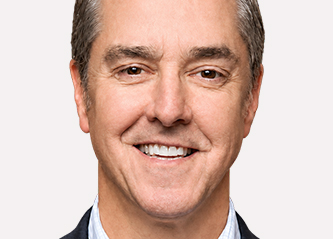
Christopher M. Palmer, MD
Founder and Director of the Metabolic and Mental Health Program. Director of the Department of Postgraduate and Continuing Education at McLean Hospital. Assistant Professor of Psychiatry at Harvard Medical School. Author of Brain Energy.
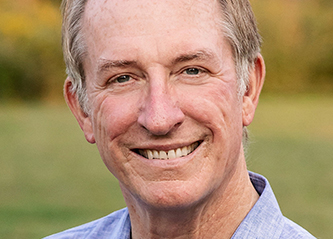
Charles L. Raison, MD
Professor of Human Ecology and Psychiatry in the Department of Psychiatry, School of Medicine and Public Health, University of Wisconsin-Madison. Director of Clinical and Translational Research for Usona Institute, Director of the Vail Health Behavioral Health Innovation Center, and as Director of Research on Spiritual Health for Emory. Co-author of The New Mind-Body Science of Depression.
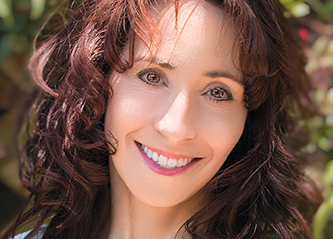
Elissa Epel, PhD
Sarlo-Ekman Professor of Emotions and Vice Chair in the Department of Psychiatry & Behavioral Sciences at University of California, San Francisco. Co-author of the New York Times Bestseller The Telomere Effect.
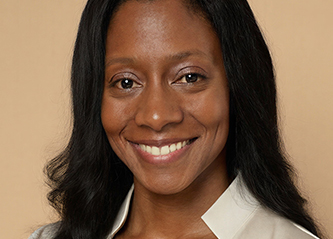
Fatima Cody Stanford, MD, MPH, MPA, MBA
Obesity medicine physician-scientists with over 300 peer-reviewed publications. Associate Professor of Medicine and Pediatrics at Massachusetts General Hospital and Harvard Medical School.

Uma Naidoo, MD
Harvard-trained nutritional psychiatrist, professional chef, and nutritional biologist. Author of This is Your Brain on Food and Calm Your Mind with Food.
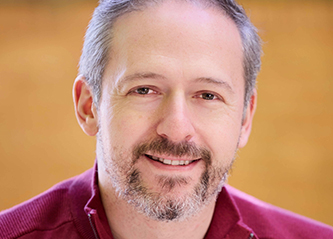
Jonathan Kipnis, PhD
Professor of Neurology, Neuroscience, and Neurosurgery at Washington University in St. Louis, School of Medicine. Inaugural Director of Brain immunology and Glia (BIG) Center at Washington University.
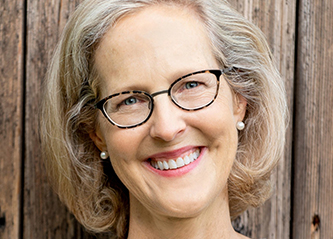
Donna Jackson Nakazawa
Author of Girls on the Brink; The Angel and the Assassin; Childhood Disrupted; and Mind Drama. Award‑winning science journalist.
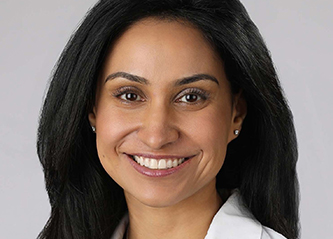
Shebani Sethi, MD
Clinical Associate Professor at Stanford Medicine. Founding director of the Stanford’s Metabolic Psychiatry Program. Board-certified in both psychiatry and obesity medicine. Founder of Metabolic Psychiatry Labs.
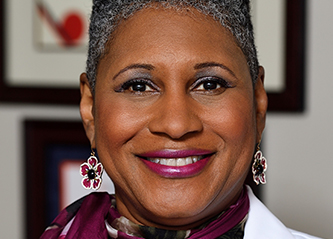
Sherita Hill Golden, MD
Master of Health Science degree in Clinical Epidemiology from the Johns Hopkins University Bloomberg School of Public Health. Internationally recognized physician-scientist and health equity advocate.
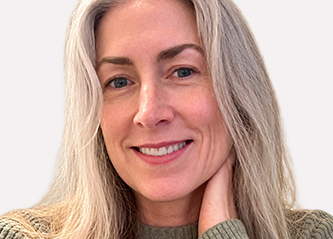
Kirsten Tillisch, MD
Chief of Integrative Medicine at the Greater Los Angeles VA. Professor of Medicine in the Division of Digestive Diseases at the David Geffen School of Medicine at UCLA. Gastroenterologist, medical hypnotherapist, and acupuncturist.
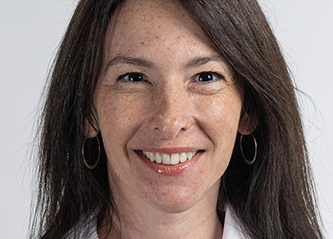
Mariela Glandt, MD
Harvard and Columbia-trained endocrinologist. CEO and founder of OwnaHealth. Founder of the Glandt Center for Diabetes Care.

Arpana Church, PhD
Co-Director of the Goodman-Luskin Microbiome Center. Director of Neuroimaging Core & Obesity, Metabolic Disorders and Eating Behaviors Research Program. Associate Professor at Vatche and Tamar Manoukian Division of Digestive Diseases and David Geffen School of Medicine at UCLA.
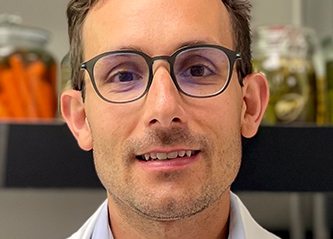
Sean Spencer, MD, PhD
Gastroenterologist, neurogastroenterologist, and physician-scientist at Stanford University. Researcher on disorders of gut–brain interaction and the intestinal microbiome. Director of Stanford’s Microbiome Clinic.
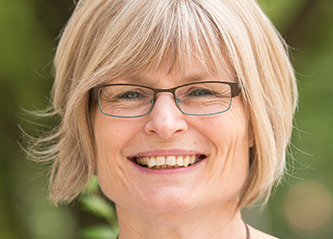
Anna Marsland, PhD
Professor and Chair of the Biological and Health Psychology Program in the Department of Psychology at the University of Pittsburgh.

Riccardo De Giorgi, MD
Clinical Researcher at the University of Oxford Department of Psychiatry. Honorary Consultant Psychiatrist at Oxford Health NHS Foundation Trust. Adjunct Professor at the University of Salento, Italy. Specializes in mood disorders and immunometabolic therapies, including GLP-1 treatments.
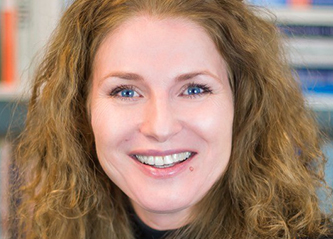
Anna Huysse-Gaytandjieva, PhD
Author of Autoimmunity: The Price of Belonging – An Integrative Clinical Framework for Assessment and Treatment. Founder of Psychotherapie Praktijk Limburg, Hashimoto.Help, and Autoimmunity.Voice.
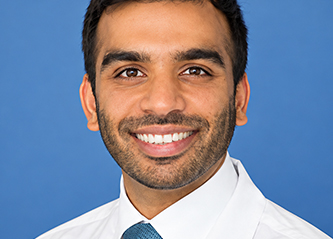
Arpan Patel, MD, PhD
Assistant Professor of Medicine at the David Geffen School of Medicine at UCLA. Staff hepatologist at the VA Greater Los Angeles Healthcare System. Core Investigator at the Center for Study of Healthcare Innovation, Implementation and Policy (CSHIIP).
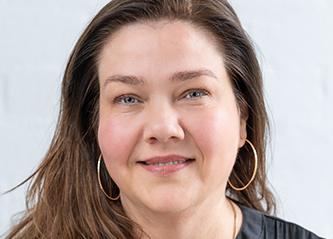
Tetyana Rocks, PhD
Director of the Food & Mood Academy at Deakin University. Recipient of the 2024 Dieticians Australia Outstanding Contribution to the Profession Award.
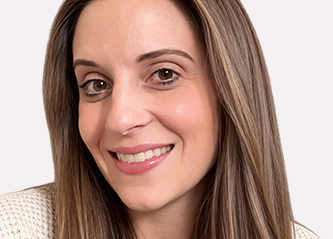
Tamara Bodnar, PhD
Assistant Professor in the Department of Biological Sciences at the University of Calgary. Leader of the Healthy Generations Research Laboratory.
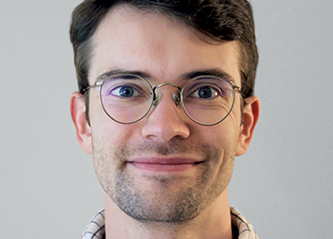
Michael Bremmer, PhD
Postdoctoral fellow at the National Institute on Alcohol Abuse and Alcoholism. Researcher in clinical neuroscience and psychopharmacology.
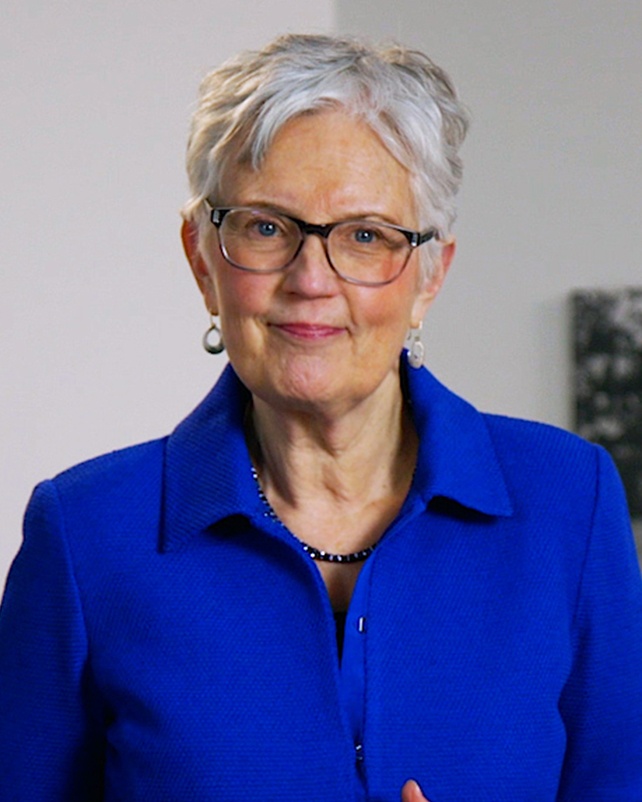
Course Director
Ruth Buczynski, PhD
Here’s what your peers have said about NICABM programs
. . . the content is clear, simple and the very latest insights from the most outstanding people in the field of trauma.
“These presentations are fascinating and easy to watch as the technical presentation is very good, and the content is clear, simple and the very latest insights from the most outstanding people in the field of trauma. You would need to read a lot of books to end up with as much good quality information as you get from watching this program.”
Liz Kirsopp, Psychotherapist
Northumberland, UK
I am more confident in handling my challenging client . . .
“After this program I feel that I am more confident in handling my challenging clients. I have gained some new tools to add to my toolbox. I cannot recommend this program enough.”
Katie Stark, MA, LPC, NCC
Waterford, Michigan, USA
. . . I feel more confident in helping my clients . . .
“Just when you think ‘I know what I’m doing,’ along comes a great session on new ideas/theories. Hooked me immediately. . . So pleased. I have a number of young clients who have been through extreme trauma situations and I feel more confident in helping them.”
Barbara Crosby, M.Ed in Counselling Psychology
Vancouver, BC, Canada
Now 50% Off for a Limited Time
Register for a Gold Package for $297 $147
and get all the video and audio recordings (so you can watch or listen whenever you want), as well as the transcripts, QuickStart Guides and bonus sessions
4.5 CE/CME Credits or Clock Hours are available for purchase at checkout.
Click HERE to get information about CE/CME credits and clock hours as well as speaker disclosures
You Are Protected By NICABM’s 30-Days Money-Back Guarantee
Register here to watch for free at the time of broadcast.
This is NOT a Summit – here’s what we mean
We believe your time is precious.
So for this program, we’ve developed 4 tightly-planned modules on topics practitioners need to know.
In each module, you’ll get an in-depth look at the emerging science changing the way we think about the relationship between the body and mind. We do a deep dive into:
- how chronic inflammation can affect the brain and mood
- the link between metabolic health and mental health
- how GLP-1s affect addiction, reward circuits, and metabolic health
- how the gut microbiome can influence the brain
You’ll hear from several leading experts in each session – experts like Charles Raison, MD, who helped establish the link between inflammation and depression, Shebani Sethi, MD, who founded the field of metabolic psychiatry, and Elissa Epel, PhD, who works on stress and aging.
Throughout this program we focus on findings that are changing the way we think about the relationship between the body and mind – ideas that aren’t being talked about in other training programs.
We do this because we think it will help you be your best and get better outcomes, more quickly.



You’ll Get Practical Tools to Help You Take Action Immediately and Effectively
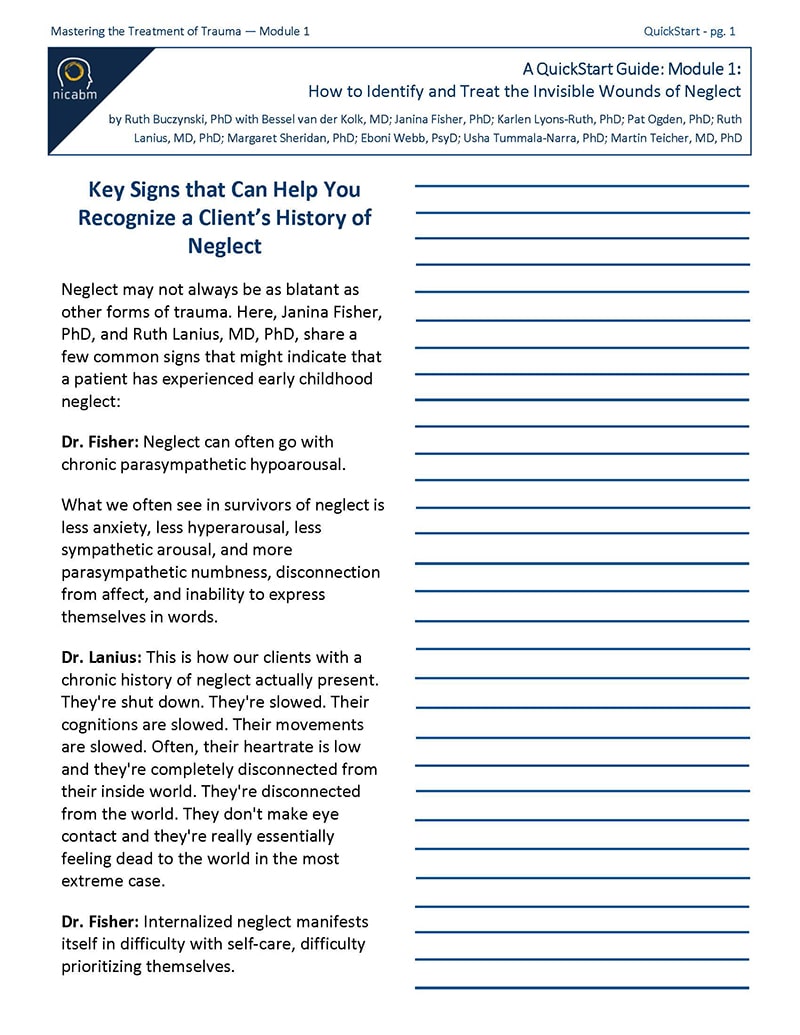
The QuickStart is your guide to the most salient ideas from each session
The QuickStart Guide is an executive summary so you can quickly refer back to crucial ideas from every session. It’s an at-a-glance reference to the most powerful concepts and research that you need to know.
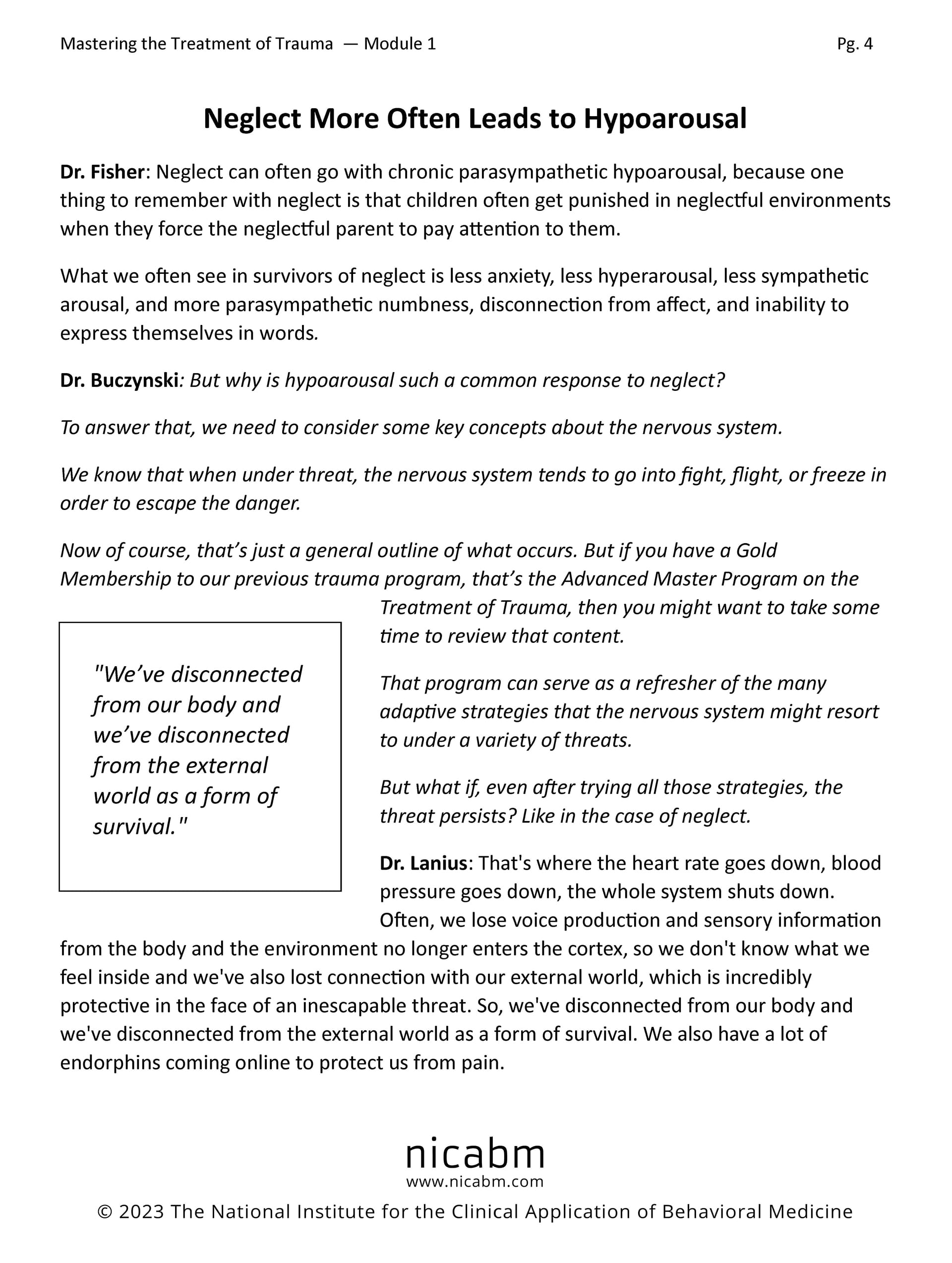
Quickly Recall Crucial Details So You Can Apply Them with Confidence
Our Professional Transcript will help you reinforce key ideas so you can integrate them into your life and work. We’ve designed your transcript with an easy-to-use table of contents, clear, organized formatting, and helpful highlight quotes so you’ll have the information you need at your fingertips.
With these tools, you’ll be more prepared than ever to talk to your patients about the mind-body connections affecting their lives.
With this Program You’ll Get:

|
On-demand and downloadable videos and audios to watch or listen to when it’s convenient for you |
|
|
Printable QuickStart Guides to make review and action simpler than ever |
|
|
Professionally-formatted transcripts of the sessions |
|
|
Exclusive bonus sessions to deepen your understanding of the mind-body connection |
Everything is yours to keep forever in your professional library.
When you purchase the program, you’ll get this complete package – all of the videos, audios, transcripts, and QuickStart Guides are yours to keep permanently in your professional library.
Your purchase of this program supports and furthers our mission to make innovative mind-body programs available to practitioners throughout the world.
Now 50% Off for a Limited Time
Register for a Gold Package for $297 $147
and get all the video and audio recordings (so you can watch or listen whenever you want), as well as the transcripts, QuickStart Guides and bonus sessions
4.5 CE/CME Credits or Clock Hours are available for purchase at checkout.
Click HERE to get information about CE/CME credits and clock hours as well as speaker disclosures
You Are Protected By NICABM’s 30-Days Money-Back Guarantee
Register here to watch for free at the time of broadcast.
Here’s what your peers have said about NICABM programs

. . . evidenced based course to get a "helicopter" overview on trauma treatment . . .
“These NICABM 5 modules on trauma management is an excellent value for money evidenced based course to get a “helicopter” overview on trauma treatment from the professional experts.”
Su Keng Gan, Clinical Counsellor/Psychotherapist
Singapore, Singapore
This program exceeded all my expectations . . .
“I am always open to learning, and this program exceeded all my expectations. Even though I am very familiar with many of the presenters, to see them in action is inspirational. As a seasoned Art Therapist and supervisor, I am always looking for innovative ways of looking at the clients and treating their issues. I already used the knowledge I gained with clients, and especially in supervision. Having purchased the Gold Package, it is like always having a personal supervisor at my beck and call.”
Hannah Sherebrin, Art Therapist
London, Ontario, Canada
. . . I've been able to help my clients find a measure of healing from both complex trauma and PTSD Type 1 . . .
“Thanks to the training I’ve received from NICABM, I’ve been able to help my clients find a measure of healing from both complex trauma and PTSD Type 1. Alongside talking therapy, I’ve been able to offer specific strategies that have helped clients self-regulate during our sessions as well as in between sessions. Perhaps the biggest thing that the NICABM courses have given me is hope: healing from trauma is possible.”
Christine Laennec, Psychodynamic Counselor
Glasgow, Scotland

Why the Transcript Is Essential:
Click the image to enlarge
- The transcript makes it easy to go back and double check concepts, citations and names that are mentioned
- We put in a table of contents to make it easy for you to find the exact part of the webinar you need
- Having the concepts already written allows you to take notes on how you’re going to use the ideas rather than transcribing the ideas
- Some people simply learn better by reading than by listening or watching
- You will be able to print out and share techniques presented in the modules with your patients
“I really liked being able to follow along with the transcripts as I listened…it was nice not to feel like I had to take notes. I really feel like I remember more when I both hear and see at the same time.”
Mary Ellen McNaughton, Masters in Counseling, Psychology Counselor
Kelowna, British Colombia, Canada

You Are Protected By
NICABM’s Money-Back Guarantee
We invite you to register for this training program without any risk. Unless you are completely satisfied, we will refund your money. Just let us know within 30 days from the date of registration. We are that confident that you will find this information to be more than you expected.
Now 50% Off for a Limited Time
Register for a Gold Package for $297 $147
and get all the video and audio recordings (so you can watch or listen whenever you want), as well as the transcripts, QuickStart Guides and bonus sessions
4.5 CE/CME Credits or Clock Hours are available for purchase at checkout.
Click HERE to get information about CE/CME credits and clock hours as well as speaker disclosures