

Now 50% Off for a Limited Time
50% Off – Sale Ends Tomorrow
50% Off – Sale Ends Tonight
The Critical Distinction Between PTSD and Moral Injury (And Why It Should Change Your Treatment Plan
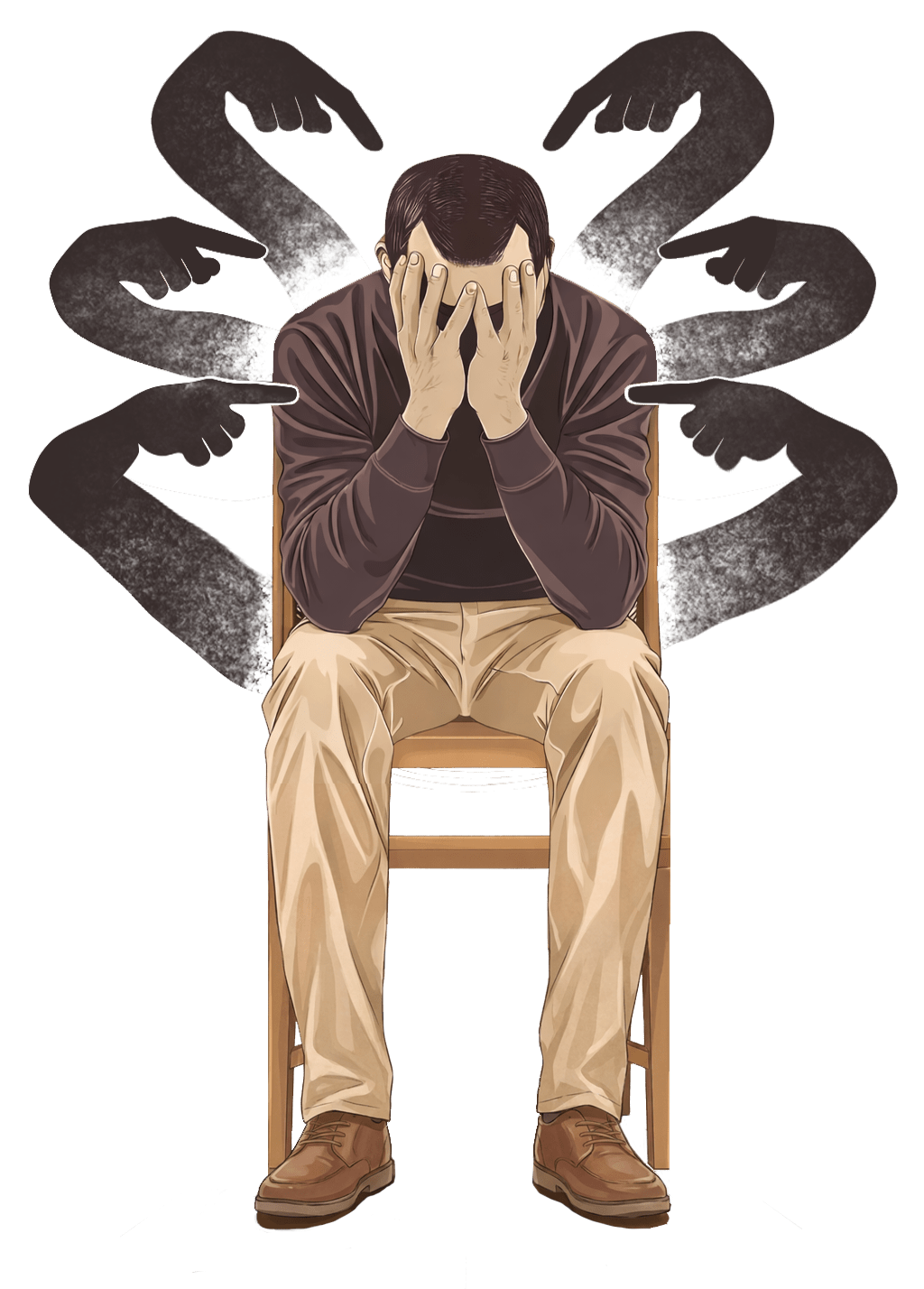
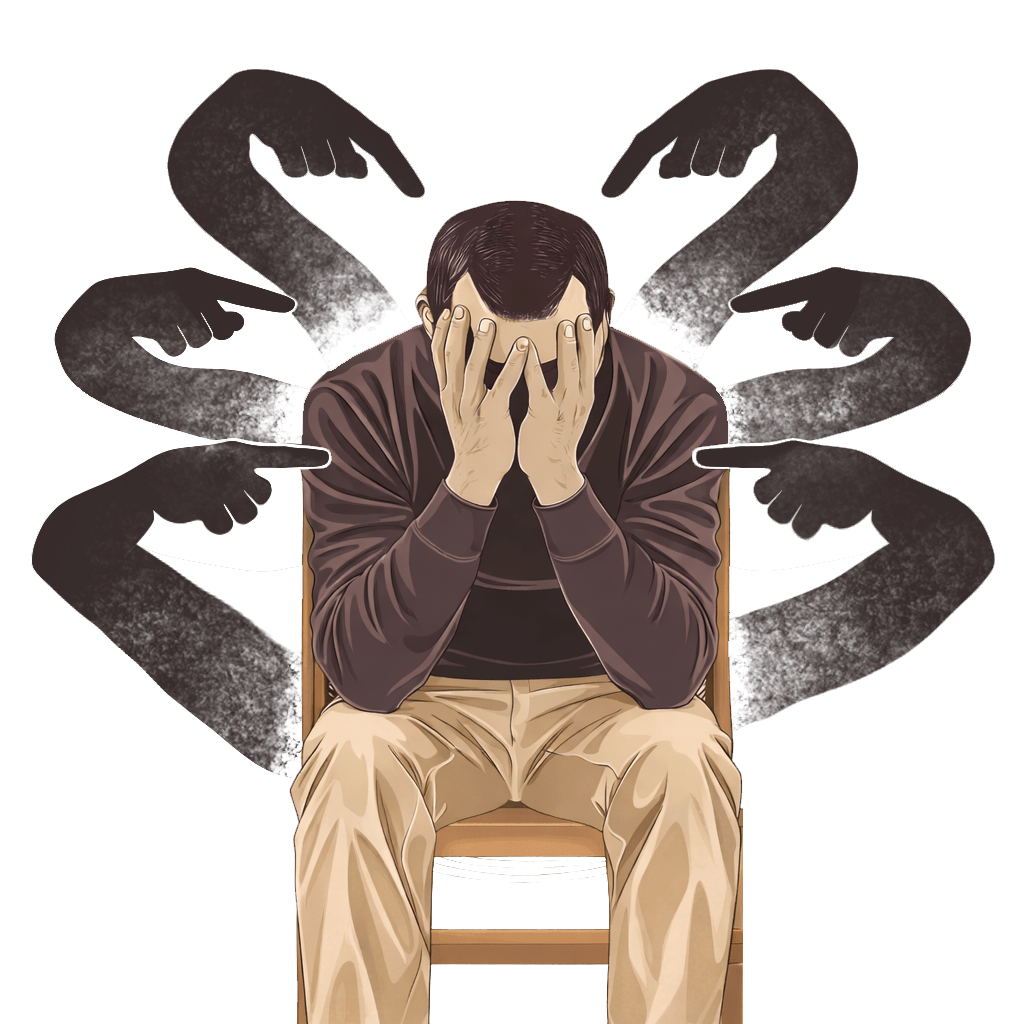 When you think of moral injury, you might think mostly of combat veterans.
But the trauma of moral injury can be part of the story with survivors of sexual abuse, health care workers, and drivers in fatal car accidents.
And while it may initially look like PTSD, the wound of a moral injury is distinct – and it requires a different approach.
In fact, some PTSD treatments are contraindicated for moral injury.
So how can we better identify when a client has suffered a moral injury – and adapt our treatments to address this deep trauma?
— New Short Course —
A “Stain on the Soul”: Treating the Guilt, Shame, and Self-Hatred of Moral Injury
Here’s what they’ll cover:

Differentiating Whether Your Patient Is Experiencing Moral Injury or PTSD (and the Implications for Treatment)
Martin Teicher, MD, PhD Wyatt Evans, PhD Judith Herman, MD
Ruth Lanius, MD, PhD Bill Nash, PhD
- The tell-tale signs that distinguish moral injury from PTSD
- Specific questions to detect hidden moral injury
- Why body posture, eye contact, and visceral sensations could be your best diagnostic clues

Two Conventional Trauma Interventions That Are Contraindicated for Moral Injury (and How You Might Adapt Them for Greater Efficacy)
Ruth Lanius, MD, PhD Bill Nash, PhD Wyatt Evans, PhD
- Why CBT requires careful adaptation for moral injury
- The critical mistake that turns exposure therapy into self-punishment
- How rationalization and defense mechanisms complicate healing
- When “it’s not your fault” becomes therapeutic rupture

How to Help Your Patient Regain Their Sense of Worthiness After a Moral Injury
Eboni Webb, PsyD Wyatt Evans, PhD Matt Gray, PhD
- How to help clients reconnect with their core values through ACT
- The power of “two sides of the same coin” linking moral pain to moral values
- Using EMDR to process visceral sensations of shame and self-disgust
- Behavioral activation to help clients reclaim their identity as moral beings

Strategies to Help Patients Process Painful Shifts in Identity That Stem from Moral Injury
Bill Nash, PhD Wyatt Evans, PhD Matt Gray, PhD
- Why moral injury requires community healing and witnessed compassion
- How to facilitate amends-making (both real and symbolic)
- The role of self-compassion vs. self-punishment in recovery
- When thoughts and feelings must become congruent for true healing

Critical Insights: How to Address the Impact of Moral Injury
Ruth Lanius, MD, PhD Usha Tummala-Narra, PhD Ruth Buczynski, PhD
- Moral injury’s connection to self-loathing and shame
- Key strategies for detecting moral injury
- Dealing with guilt and shame from past actions
- Avoiding self-punishment in therapy

Expert Strategies for Working with Moral Injury
Ron Siegel, PsyD Eboni Webb, PsyD Megan Schmidt, PsyD
- Reconfiguring moral injury treatment to support civilian populations
- The importance of recognizing and recovering values in treating moral injury
- Why helping clients reconnect to inner values is essential for healing
Register Here for $197 $97
You’ll get all the videos, audios, transcripts, learning tools, plus a bonus
to help you work more effectively with clients experiencing moral injury.
Up to 2.5 CE/CME Credits or Clock Hours are available for purchase at checkout.
Click HERE to get information about CE/CME credits and clock hours as well as speaker disclosures

You Are Protected By
NICABM’s Money-Back Guarantee
We invite you to register for this training program without any risk. Unless you are completely satisfied, we will refund your money. Just let us know within 30 days from the date of registration. We are that confident that you will find this information to be more than you expected.
For This Short Course, We Brought Together Some of the Top Experts in the Field

Judith Herman, MD
A leading expert on trauma on abuse; professor of clinical psychiatry at Harvard Medical School; director of training at the Victims of Violence Program at Cambridge Hospital; recipient of the 1996 Lifetime Achievement Award from the International Society for Traumatic Stress Studies.

Martin Teicher, MD, PhD
Director of the Developmental Biopsychiatry Research Program at McLean Hospital; associate professor at Harvard Medical School; former chief of the Laboratory of Developmental Neuropharmacology; researcher on the enduring effects of childhood maltreatment.
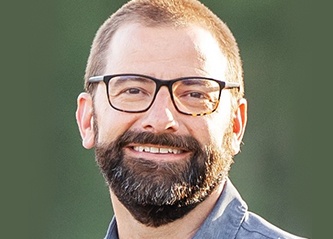
Matt Gray, PhD
Professor of psychology at the University of Wyoming; researcher on treatment development for emotional and psychological impacts of combat, as well as prevention and treatment of sexual violence and intimate partner violence.
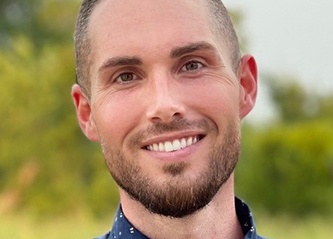
Wyatt Evans, PhD
Licensed psychologist and staff psychologist with the VA North Texas Health Care System; assistant professor at UT Southwestern Medical Center; specializes in the research and clinical treatment of PTSD and other forms of distress.
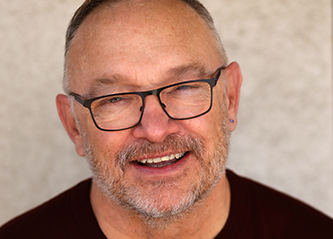
William Nash, MD
Director of Psychological Health for the U.S. Marine Corps.; coeditor, Combat Stress Injuries: Theory, Research, and Management; founding chair of the Military Committee of the Group for the Advancement of Psychiatry.

Ruth Lanius, MD, PhD
Professor of Psychiatry and Director of the Post-traumatic Stress Disorder (PTSD) research unit at the University of Western Ontario. Coauthor of The Impact of Early Life Trauma on Health and Disease: The Hidden Epidemic, and Healing the Traumatized Self: Consciousness, Neuroscience, Treatment.
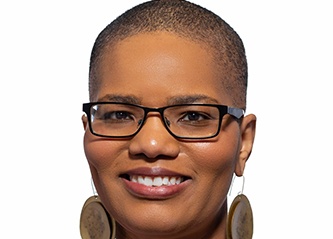
Eboni Webb, PsyD
Licensed psychologist; specializes in DBT for trauma-based disorders and co-occurring disorders; advisor to the DBT National Certification Accreditation Association.

Usha Tummala-Narra, PhD
Professor of Counseling, Developmental, and Educational Psychology at Boston College; Author of Psychoanalytic Theory and Cultural Competence in Psychotherapy; Co-author of Applying Multiculturalism: An Ecological Approach to the Multicultural Guidelines.
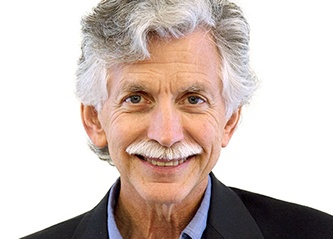
Ron Siegel, PsyD
Assistant Professor of Psychology, part time, Harvard Medical School; Author of The Mindfulness Solution: Everyday Practices for Everyday Problems; Coauthor of Back Sense: A Revolutionary Approach to Halting the Cycle of Chronic Back Pain and Sitting Together: Essential Skills for Mindfulness-Based Psychotherapy.
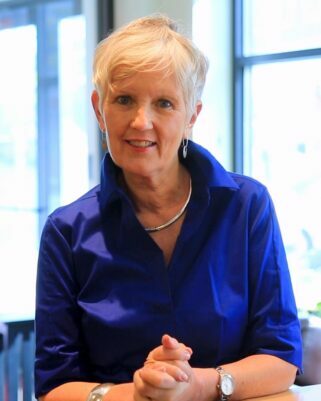
Course Director
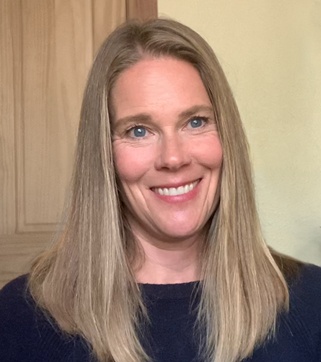
Ruth Buczynski, PhD
Licensed Psychologist
President, NICABM
Co-Course Director
Megan Schmidt, PsyD
Licensed Psychologist
Staff Psychologist, NICABM
Here's What You'll Get:
Everything is yours to keep forever in your professional library

|
Downloadable videos and audios to watch or listen to when it’s convenient for you |
|
|
A Critical Insights session to distill key ideas (this is where we “land” the module) |
|
|
A Focus on Application session to give you concrete strategies to use with patients |
|
|
Printable QuickStart Guide to make review and action simpler than ever |
|
|
Professionally-formatted transcripts of the sessions |
|
|
A bonus video to help you work more effectively with clients experiencing moral injury |
A Special Bonus That Give You Even More Strategies for Working with Moral Injury

How to Help Patients Experiencing Moral Injury Reconnect to Their Core Values
Wyatt Evans, PhD
- Three Factors That Make Acceptance & Commitment Therapy (ACT) Uniquely Effective in Treating Moral Injury
- What It Means to ‘De-Simplify’ a Patient’s Sense of Self (and One Exercise That Can Help)
- Addressing the Coping Strategies That Patients Often Develop to Manage Moral Injury
Register Here for $197 $97
You’ll get all the videos, audios, transcripts, learning tools, plus a bonus
to help you work more effectively with clients experiencing moral injury.
Up to 2.5 CE/CME Credits or Clock Hours are available for purchase at checkout.
Click HERE to get information about CE/CME credits and clock hours as well as speaker disclosures
You Are Protected By
NICABM’s Money-Back Guarantee
We invite you to register for this training program without any risk. Unless you are completely satisfied, we will refund your money. Just let us know within 30 days from the date of registration. We are that confident that you will find this information to be more than you expected.
Plus, You’ll Get Practical Tools to Help You Take Action Immediately and Effectively
Synthesize Key Concepts So You Can Use Them Immediately
In the Critical Insights sessions, Ruth Lanius, PhD and Usha Tummala-Narra, PhD join Ruth Buczynski, PhD to dig more deeply into the key ideas. Our job is to make yours easier by streamlining the information from each module and making sure each point is crystal clear. We’ll clarify critical concepts and break it all down so you can gain confidence in your understanding.
Discover Concrete Practices That Will Work in Your Life, and with Your Patients
In the Focus on Application sessions, Ron Siegel, PsyD, Eboni Webb, PsyD and Megan Schmidt, PsyD give you specific practices and exercises you can use with your clients right away. For each module, you’ll get solid techniques and practical interventions that will help you apply what you’ve just heard.
Uncover Core Ideas and Techniques at-a-Glance So You Have a “Cheat Sheet” When You Need It Most
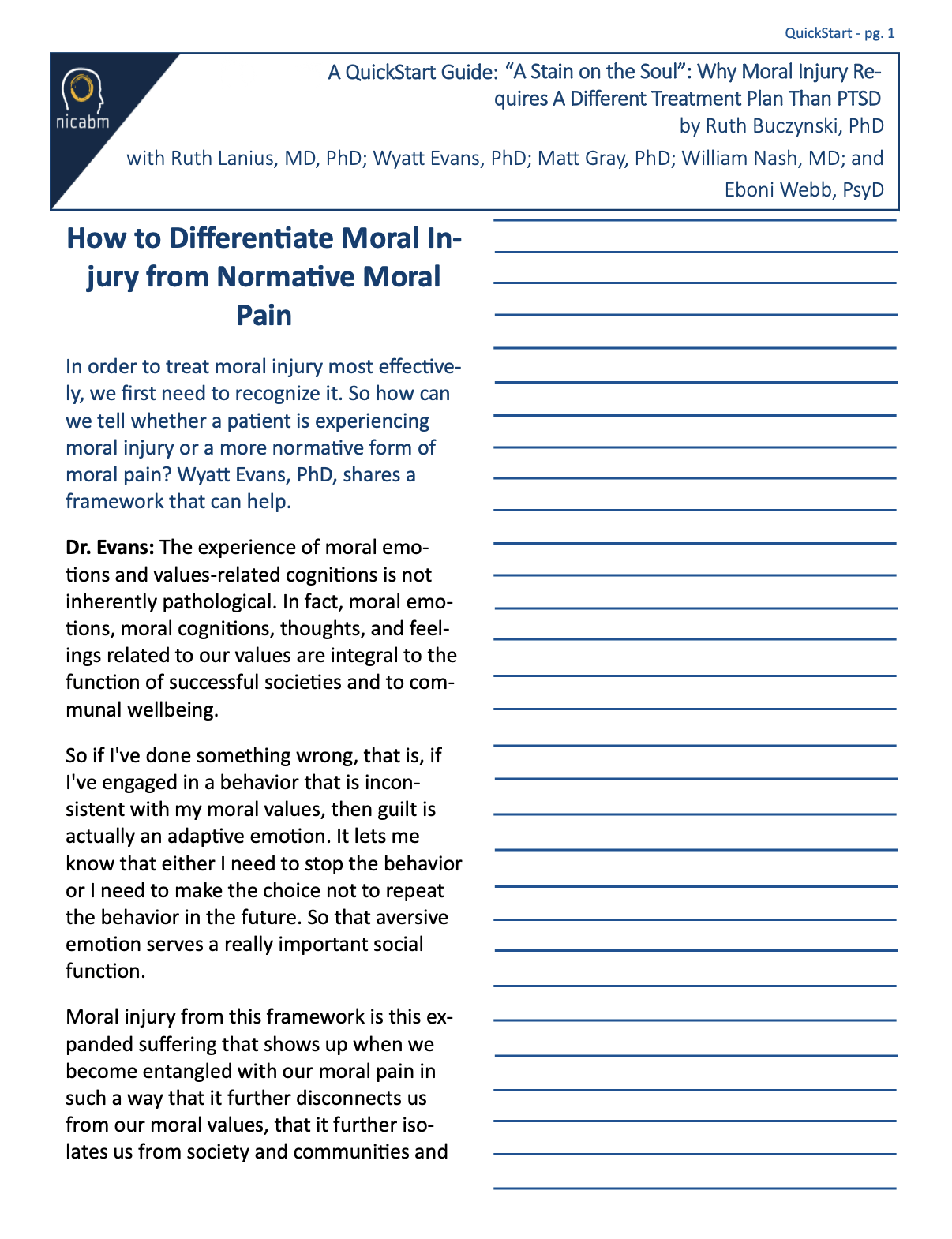
The QuickStart Guide will help you stay fresh and confident as you turn these teachings into action. We’ve gathered all the essential tools and methods from the series into a concise, easy-to-use guide so you can quickly review and apply these ideas when you need them most. It’s an at-a-glance reference to the most powerful concepts and strategies for working with patients who have experienced trauma.
Quickly Recall Crucial Details So You Can Apply Them with Confidence
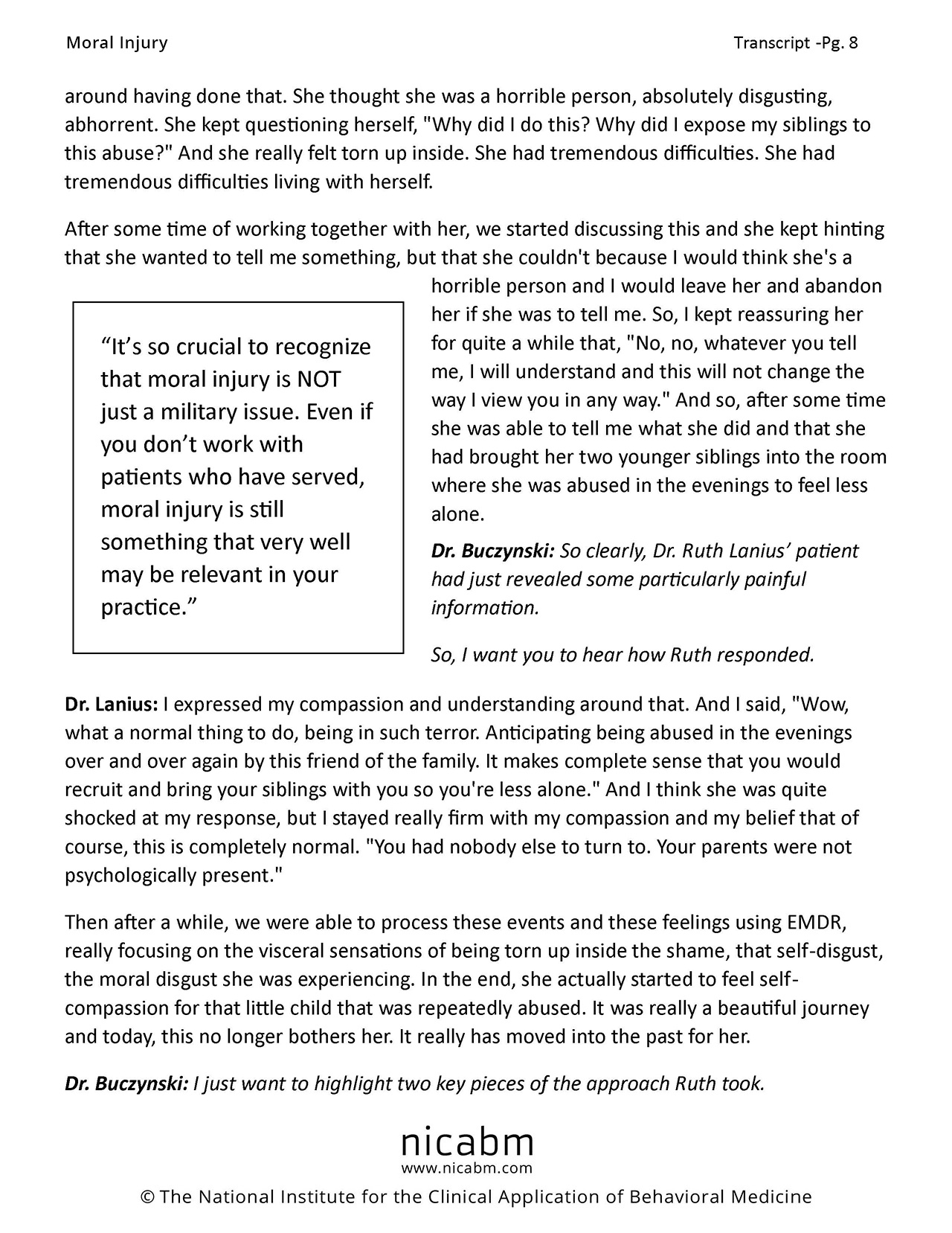
Our Professional Transcript will help you reinforce key ideas so you can integrate them into your life and work. We’ve designed your transcript with an easy-to-use table of contents, clear, organized formatting, and helpful highlight quotes so you’ll have the information and exercises you need at your fingertips.
Here's What Your Peers Have Experienced In NICABM Programs
. . . the content is clear, simple and the very latest insights from the most outstanding people in the field of trauma.
“These presentations are fascinating and easy to watch as the technical presentation is very good, and the content is clear, simple and the very latest insights from the most outstanding people in the field of trauma. You would need to read a lot of books to end up with as much good quality information as you get from watching this program.”
Liz Kirsopp, Psychotherapist
Northumberland, UK
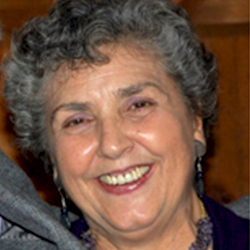
This program exceeded all my expectations . . .
“I am always open to learning, and this program exceeded all my expectations. Even though I am very familiar with many of the presenters, to see them in action is inspirational. As a seasoned Art Therapist and supervisor, I am always looking for innovative ways of looking at the clients and treating their issues. I already used the knowledge I gained with clients, and especially in supervision. Having purchased the Gold Package, it is like always having a personal supervisor at my beck and call.”
Hannah Sherebrin, Art Therapist
London, Ontario, Canada
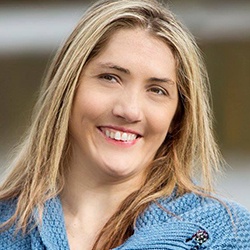
I am more confident in handling my challenging client . . .
“After this program I feel that I am more confident in handling my challenging clients. I have gained some new tools to add to my toolbox. I cannot recommend this program enough.”
Katie Stark, MA, LPC, NCC
Waterford, Michigan, USA

. . . evidenced based course to get a "helicopter" overview on trauma treatment . . .
“These NICABM 5 modules on trauma management is an excellent value for money evidenced based course to get a “helicopter” overview on trauma treatment from the professional experts.”
Su Keng Gan, Clinical Counsellor/Psychotherapist
Singapore, Singapore
Why the Transcript Is Essential:
Click the image to enlarge
- The transcript makes it easy to go back and double check concepts, citations and names that are mentioned
- We put in a table of contents to make it easy for you to find the exact part of the webinar you need
- Having the concepts already written allows you to take notes on how you’re going to use the ideas rather than transcribing the ideas
- Some people simply learn better by reading than by listening or watching
- You will be able to print out and share techniques presented in the session with your patients

“I really liked being able to follow along with the transcripts as I listened…it was nice not to feel like I had to take notes. I really feel like I remember more when I both hear and see at the same time.”
Mary Ellen McNaughton, Masters in Counseling, Psychology Counselor
Kelowna, British Colombia, Canada
You Are Protected By
NICABM’s Money-Back Guarantee
We invite you to register for this training program without any risk. Unless you are completely satisfied, we will refund your money. Just let us know within 30 days from the date of registration. We are that confident that you will find this information to be more than you expected.
Register Here for $197 $97
You’ll get all the videos, audios, transcripts, learning tools, plus a bonus
to help you work more effectively with clients experiencing moral injury.
Up to 2.5 CE/CME Credits or Clock Hours are available for purchase at checkout.
Click HERE to get information about CE/CME credits and clock hours as well as speaker disclosures