

50% Off – Sale Ends Tomorrow
50% Off – Sale Ends Tonight
Now 50% Off for a Limited Time
Filling the Void: Why So Many Emotional Issues Tie in with a Deep Sense of Emptiness
 “What’s the point of trying? I just don’t feel anything. I feel dead inside.”
If you’ve ever heard a client express these thoughts, there’s a good chance they’re feeling a sense of emptiness.
And here’s the thing – even if emptiness isn’t the main issue that brought your client to therapy (and it usually isn’t) . . .
. . . it can so often factor in – whether you’re treating depression, trauma, attachment wounds, grief, or even (and perhaps especially) borderline personality disorder.
And for some clients, no matter how much progress they’ve made, they still struggle to feel meaningful connection to their life, body, or relationships.
So to give you strategies to help your client shift out of a numbing sense of emptiness, we brought together 21 of the world’s top experts for this brand-new short course.
— New Short Course —
How to Work with Deep Feelings of Emptiness

How to Treat Feelings of Emptiness That Stem from Attachment Wounds
Richard Schwartz, PhD Janina Fisher, PhD Pat Ogden, PhD
Deany Laliotis, LICSW Stan Tatkin, PsyD, MFT Dan Hill, PhD
Laurel Parnell, PhD
- An IFS approach to treat attachment wounds that leave clients feeling disconnected
- How EMDR can help target feelings of emptiness that began in childhood
- How to work with emptiness in the context of avoidant vs. anxious attachment styles
- Two ways that clients rely on emptiness to help cope with attachment wounds

The Inextricable Link Between Emptiness and Borderline Personality Disorder (and How to Work with It)
Daniel Fox, PhD
- Specific factors that can help you differentiate BPD from other disorders
- How to work with clients who present with both BPD and depression
- Strategies to navigate your client’s defense strategies when they’re activated in session
- One key antidote to feelings of emptiness in clients with BPD

How to Work with Trauma-Induced Feelings of Disconnection and Numbness
Janina Fisher, PhD Stephen Porges, PhD
Pat Ogden, PhD Bonnie Goldstein, PhD Chris Willard, PsyD
- Why the nervous system can be key to treating clients who feel numb after trauma
- Interventions that can be counterproductive (or even contraindicated) when working with emptiness and trauma
- One simple (but critical) question to help shift a client’s experience of emptiness
- How trauma can hijack a client’s sense of purpose (and how that might impact your approach)
How to Treat Emptiness as a Symptom of Depression
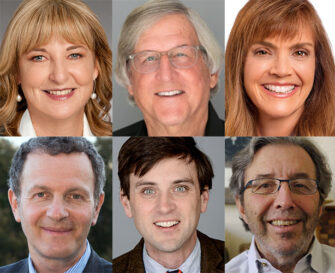
Laurel Parnell, PhD Michael Yapko, PhD Lynn Lyons, LICSW
Zindel Segal, PhD Chris Willard, PsyD Dan Hill, PhD
Christine Padesky, PhD Kelly Wilson, PhD Miguel Gallardo, PsyD
- Strategies to help clients reconnect to life and build meaning
- How to chip away at a depressed mindset and increase a client’s motivation to change
- Two key questions to include in your assessment of depression and emptiness
- A common misconception about treating feelings of emptiness (and what to try instead)

How to Interrupt Cycles of Emptiness, Isolation, and Disconnection
Stephen Porges, PhD Deany Laliotis, LICSW Ellyn Bader, PhD
Deb Dana, LCSW Christine Padesky, PhD Miguel Gallardo, PsyD
- Two distinct dynamics of disconnection (and how to work with each)
- How isolation can become a self-fulfilling prophecy (and how to disrupt it)
- How to help shift behaviors that sabotage opportunities to connect with others
- Why a client might feel disconnected in seemingly healthy relationships

How to Work with Feelings of Emptiness That Are Tied to Grief or Loss
Pat Ogden, PhD Shelly Harrell, PhD Bonnie Goldstein, PhD
Christine Padesky, PhD Laurel Parnell, PhD Charles Ridley, PhD
- How to work with a sense of emptiness that stems from a traumatic loss
- One exercise to try when grief blocks a client’s ability to experience positive emotions
- How a client’s movements can cue you in to their experience of grief and emptiness
Register Here for $197 $97
and get all the videos, audios, transcripts, learning tools, plus 2 bonuses
to help your client shift out of a numbing sense of emptiness
Up to 3.75 CE/CME Credits or Clock Hours are available for purchase at checkout.
Click HERE to get information about CE/CME credits and clock hours as well as speaker disclosures

You Are Protected By
NICABM’s Money-Back Guarantee
We invite you to register for this training program without any risk. Unless you are completely satisfied, we will refund your money. Just let us know within 30 days from the date of registration. We are that confident that you will find this information to be more than you expected.
For This Short Course, We Brought Together Some of the Top Experts in the Field

Richard Schwartz, PhD
Founder of Internal Family Systems (IFS) and The Center for Self Leadership; Author of Introduction to Internal Family Systems.

Janina Fisher, PhD
Licensed clinical psychologist and former instructor, Harvard Medical School; Advisory Board member of the Trauma Research Foundation

Stephen Porges, PhD
Developer of Polyvagal Theory; Distinguished University Scientist at the Kinsey Institute at Indiana University Bloomington and Research Professor in the Department of Psychiatry at University of North Carolina Chapel Hill.

Pat Ogden, PhD
Pioneer in Somatic Psychology; Founder and Director of Sensorimotor Psychotherapy Institute (SPI); Co-founder of the Hakomi Institute; Author of Sensorimotor Psychotherapy: Interventions for Trauma and Attachment.
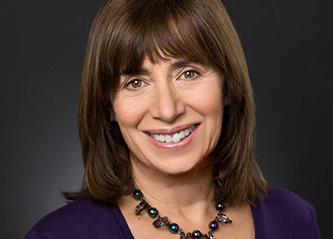
Ellyn Bader, PhD
Co-creator of The Developmental Model of Couples Therapy; Co-director of The Couples Institute.
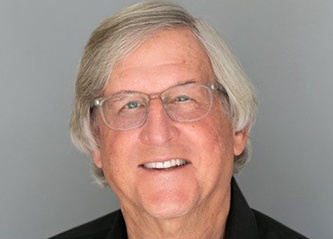
Michael Yapko, PhD
Leading expert in clinical hypnosis and treating depression; Clinical psychologist and author of 15 books including his newest books, The Discriminating Therapist and Keys to Unlocking Depression.
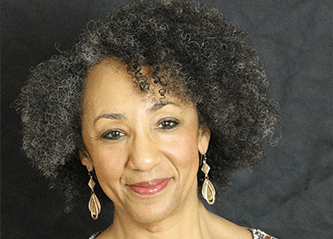
Shelly Harrell, PhD
Licensed psychologist specializing in multicultural and community psychology; Professor of Psychology in the Graduate School of Education at Pepperdine University.
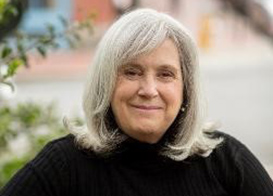
Deb Dana, LCSW
Coordinator of the Traumatic Stress Research Consortium at the Kinsey Institute; Developer of the Rhythm of Regulation Clinical Training Series; author of Polyvagal Theory in Therapy.

Daniel J. Fox, PhD
Licensed Psychologist. Author of The Borderline Personality Disorder Workbook. Founder and director of Applied Psychological Services, PLLC.
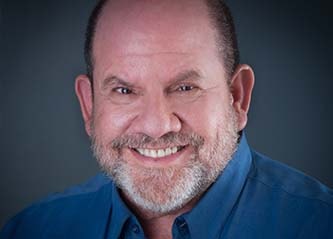
Stan Tatkin, PsyD, MFT
Founder of the PACT Training Institute and developer of a Psychobiological Approach to Couple Therapy (PACT).
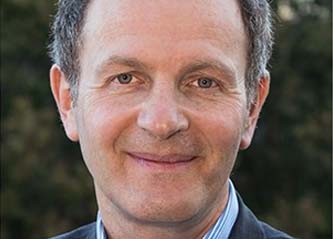
Zindel Segal, PhD
A founder of Mindfulness-Based Cognitive Therapy (MBCT); Professor of Psychology at the University of Toronto.

Bonnie Goldstein, PhD
Founder and Director of the Lifespan Psychological Center; Co-author of Understanding, Diagnosing, and Treating AD/HD in Children and Adolescents.

Daniel Hill, PhD
Psychoanalyst, educator, and leading proponent of the affect regulation model; founder/director of PsyBC (1996-2014); his work focuses primarily on gaining in-depth understanding of the regulation of affect.
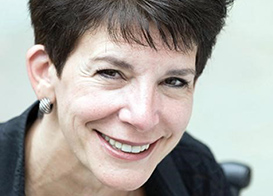
Deany Laliotis, LICSW
Director of Training at EMDR Institute; Specialist in treatment of traumatic stress disorders and attachment issues; author of chapters and articles on EMDR therapy.
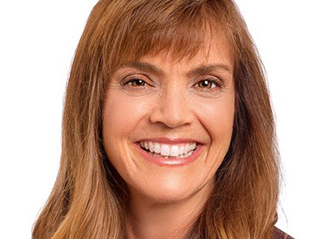
Lynn Lyons, LICSW
Author of Anxious Kids, Anxious Parents: 7 Ways to Stop the Worry Cycle and Raise Courageous & Independent Children, clinical social worker and psychotherapist specializing in anxiety in adults and children.

Christine Padesky, PhD
Co-founder of the Center for Cognitive Therapy in Huntington Beach, California; Co-creator of Strengths-Based CBT; Co-author of Mind Over Mood and Collaborative Case Conceptualization.
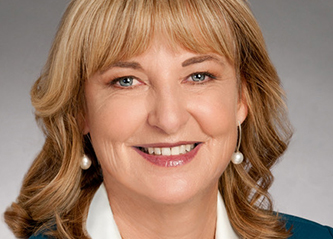
Laurel Parnell, PhD
Leading expert in Eye-Movement Desensitization and Reprocessing (EMDR); Author of Attachment-Focused EMDR: Healing Relational Trauma.
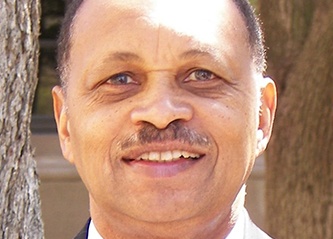
Charles Ridley, PhD
Licensed psychologist and professor of counseling psychology at Texas A&M University; author of Overcoming Unintentional Racism in Counseling and Therapy: A Practitioner’s Guide to Intentional Intervention.
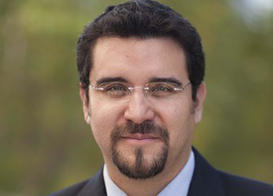
Miguel Gallardo, PsyD
Licensed Psychologist specializing in multicultural and social justice; Associate Professor at Pepperdine University’s Graduate School of Education and Psychology; author of Case Studies in Multicultural Counseling and Therapy.
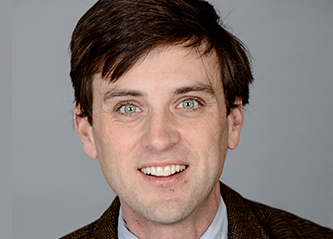
Christopher Willard, PsyD
Psychologist and educational consultant specializing in mindfulness; president of the Mindfulness in Education Network; serves on the board of directors at the Institute for Meditation and Psychotherapy.

Kelly Wilson, PhD
Co-author of Acceptance and Commitment Therapy: An Experiential Approach to Behavior Change; Founder of OneLife Education Training, LLC.
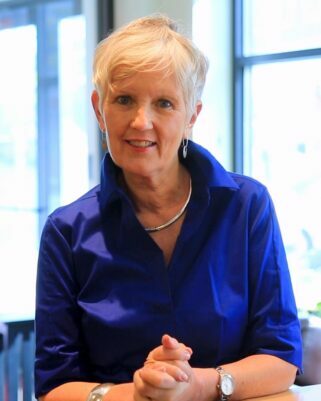
Course Instructors
Ruth Buczynski, PhD
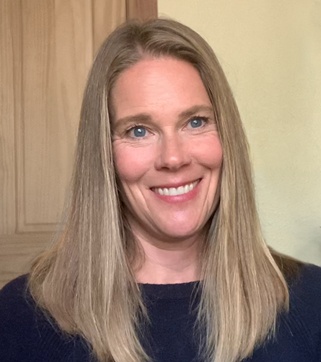
Megan Schmidt, PsyD
Here's What You'll Get:
Everything is yours to keep forever in your professional library

|
Downloadable videos so you can watch at your convenience, on any device |
|
|
Audio recordings you can download and listen to at home, in the car, at the gym or wherever you like |
|
|
Professionally-formatted transcripts of the sessions, to make review and action simple |
|
|
Two downloadable bonus videos to help your client shift out of a sense of emptiness |
You’ll Also Get These 2 Bonus Sessions with Even More Strategies
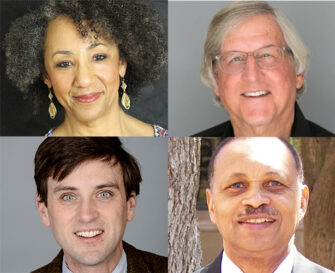
Bonus 1: How to Help Clients Find Meaning and Hope Beyond Emptiness
Shelly Harrell, PhD Michael Yapko, PhD
Chris Willard, PsyD Charles Ridley, PhD
- Strategies to help clients discover (or rediscover) what brings them fulfillment
- How to help clients foster a positive future-oriented mindset
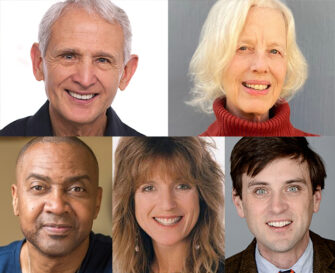
Bonus 2: Body-Based Exercises That Can Help Soften Feelings of Emptiness
Peter Levine, PhD Pat Ogden, PhD
Resmaa Menakem, MSW, LICSW, SEP Bonnie Goldstein, PhD Chris Willard, PsyD
- How to help clients find meaning through their body
- How a client’s movements can help inform your initial assessment
- Somatic exercises that can help shift feelings of emptiness
Note: This bonus will not count toward the CE credit total.
Register Here for $197 $97
and get all the videos, audios, transcripts, learning tools, plus 2 bonuses
to help your client shift out of a numbing sense of emptiness
Up to 3.75 CE/CME Credits or Clock Hours are available for purchase at checkout.
Click HERE to get information about CE/CME credits and clock hours as well as speaker disclosures
You Are Protected By
NICABM’s Money-Back Guarantee
We invite you to register for this training program without any risk. Unless you are completely satisfied, we will refund your money. Just let us know within 30 days from the date of registration. We are that confident that you will find this information to be more than you expected.
Starting Today, This Program Can Change the Way You Practice
. . . I feel so fortunate to have this access to brain power, experience and research synthesis . . .
“When I listen to the experts talk openly about their experience, I feel so fortunate to have this access to brain power, experience and research synthesis on cutting edge issues! I go back to the videos to reinforce things that will assist my clients.”
Mary Logan, Counselor
Ipswich, MA

I benefit, my practice benefits, and most important my clients benefit . . .
“I live in Nova Scotia and have limited travel funds at the university at which I work. The series provided by NICABM gives me the rare opportunity to listen to the leaders in the field. As a result, I learn valuable information that would not otherwise be available to me. I benefit, my practice benefits, and most important my clients benefit from the knowledge and wisdom I gain from the series.”
David Mensink, PhD Counseling Psychology, Psychologist
Halifax, Nova Scotia, Canada
. . . some dare to go the extra journey to research and educate
“These NICABM series keep me afloat, in touch, on track, well trained in my field, and more personally healthy. The best aspect, though, is that I feel validated and comforted knowing that some dare to go the extra journey to research and educate, so I can walk the path to health, and can share with others.”
Mary Corsello-Vilcheck, LCSW
Midlothian, VA
Why the Transcript Is Essential:
Click the image to enlarge
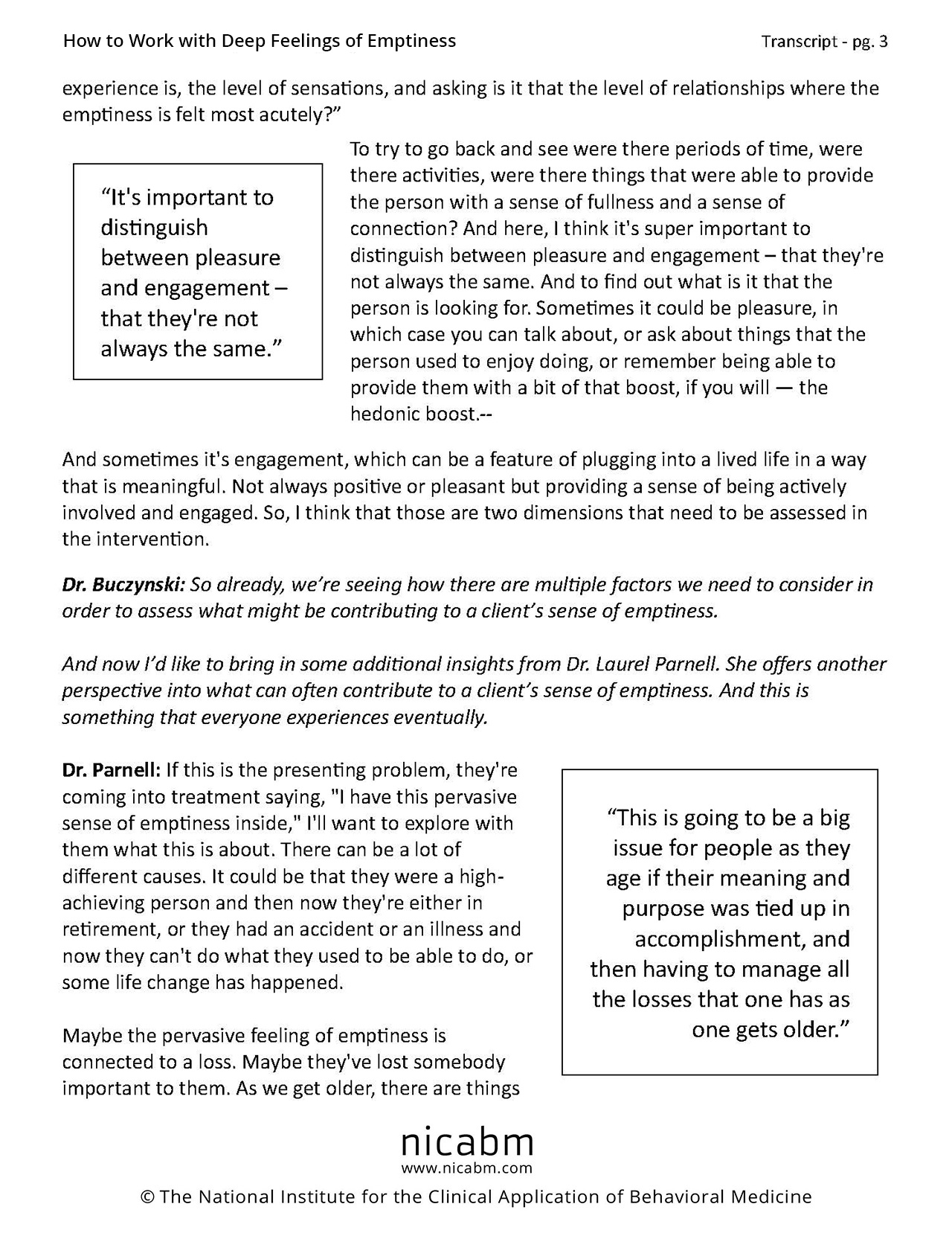
- The transcript makes it easy to go back and double check concepts, citations and names that are mentioned
- We put in a table of contents to make it easy for you to find the exact part of the webinar you need
- Having the concepts already written allows you to take notes on how you’re going to use the ideas rather than transcribing the ideas
- Some people simply learn better by reading than by listening or watching
- You will be able to print out and share techniques presented in the session with your patients

“I really liked being able to follow along with the transcripts as I listened…it was nice not to feel like I had to take notes. I really feel like I remember more when I both hear and see at the same time.”
Mary Ellen McNaughton, Masters in Counseling, Psychology Counselor
Kelowna, British Colombia, Canada
You Are Protected By
NICABM’s Money-Back Guarantee
We invite you to register for this training program without any risk. Unless you are completely satisfied, we will refund your money. Just let us know within 30 days from the date of registration. We are that confident that you will find this information to be more than you expected.
Register Here for $197 $97
and get all the videos, audios, transcripts, learning tools, plus 2 bonuses
to help your client shift out of a numbing sense of emptiness
Up to 3.75 CE/CME Credits or Clock Hours are available for purchase at checkout.
Click HERE to get information about CE/CME credits and clock hours as well as speaker disclosures