
50% Off – Sale Ends Tomorrow
50% Off – Sale Ends Tonight
Now 50% Off for a Limited Time
Reexamining the Stories We Tell Ourselves
How to work with the narratives that sustain your client’s suffering
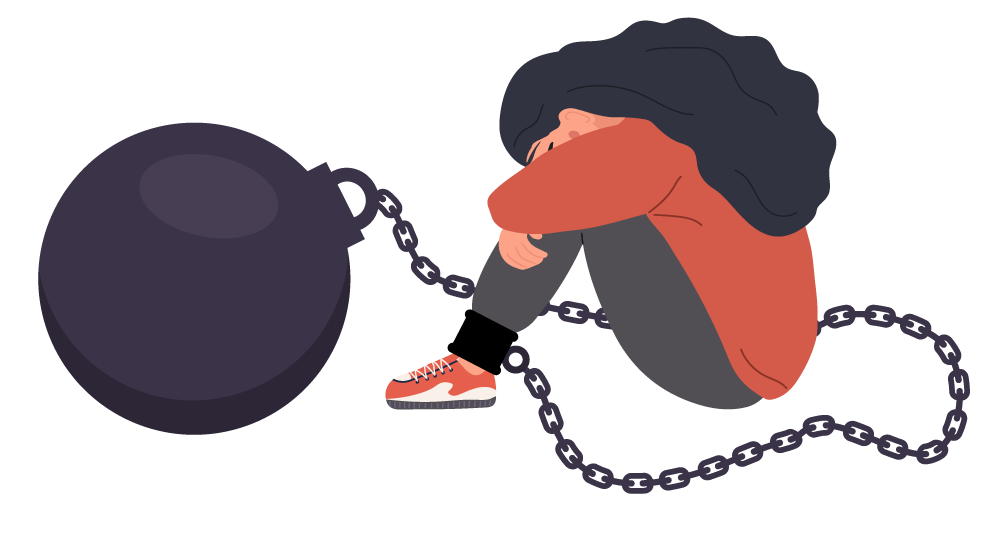 Inside every client lives a story about who they are — a story shaped by early experiences, trauma, and the meanings they’ve made along the way.
But sometimes, that story can feed into patterns of self-blame, rigidity, and despair.
So, we asked 27 leading experts to share their best strategies for transforming stories that sustain suffering into stories that support healing. And in this course, they’ll show you how to:
- Gently loosen rigid thought patterns (while honoring your client’s lived experience)
- Navigate moments when new insights collapse back into old narratives
- Help your client understand why the mind clings to painful self-beliefs
- Create new stories that foster compassion, resilience, and agency
Because when clients can tell a new story about who they are, lasting healing can begin. Presenting:
How to Work with Negative Self-Narratives That Sustain Suffering
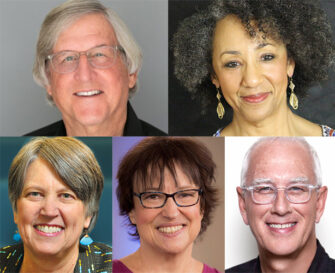
How to Work with Rigid Self-Narratives That Clients Feel Powerless to Change
Michael Yapko, PhD Shelly Harrell, PhD
Christine Padesky, PhD Melanie Greenberg, PhD Bill O’Hanlon, LMFT
- An Experiential Exercise to Help Broaden the Scope of a Client’s Narrative
- A Mindfulness-Based Approach to Help Clients Envision Themselves Untethered from a Rigid Narrative
- How to Skillfully Help Clients Understand the Costs of Their Rigid Narratives (and the Benefits of Rewriting It)
- One Strategy to Use When Clients Revert Back to a Harmful Narrative (Even After Making Some Initial Progress)
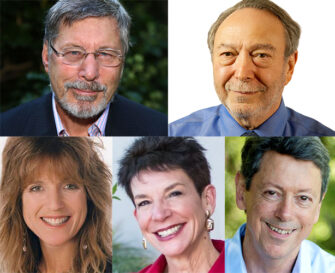
How to Work with Trauma-Based Self-Narratives
Bessel van der Kolk, MD Stephen Porges, PhD
Bonnie Goldstein, PhD Deany Laliotis, LICSW Rick Hanson, PhD
- One Specific Consequence of a Trauma-Based Narrative (and Psychoeducation That Can Help Deflect It)
- A 3-Step Process to Work with Trauma-Based Narratives That Make Suffering a Self-Fulfilling Prophecy
- How to Help Clients Step into a New Narrative (Even After Trauma Made It Feel Impossible)

How to Work with Self-Narratives That Are Tied Directly to a Diagnosis
Lynn Lyons, LICSW Ron Siegel, PsyD
Bill O’Hanlon, LMFT Judson Brewer, MD, PhD Kelly McGonigal, PhD
- Why More Clients Are Taking on Diagnoses as Part of Their Identity
- Practical Strategies to Create Distance Between Your Client’s Identity and Their Diagnosis
- The Specific Costs of Having an Identity That’s Bound Too Tightly to a Diagnosis
- Why Some Clients Cling to a Diagnosis-Based Identity (Even After They’re Aware of the Harmful Consequences)
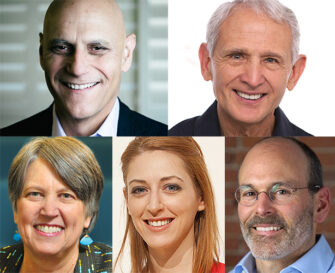
Strategies to Help Clients Create More Positive Self-Narratives
Steven Hayes, PhD Peter Levine, PhD
Christine Padesky, PhD Kelly McGonigal, PhD Judson Brewer, MD, PhD
- How Small Action Steps Can Help Create a More Positive Narrative (and a 5-Step Process to Help Clients Begin Making Those Steps)
- Why Reward-Based Learning Can Be Uniquely Suited to Help Rewrite Harmful Narratives
- Mindfulness Research That Can Help Direct Your Work in Shifting a Client’s Narrative
- One Strategy to Help Clients Write a More Positive Story About Their Future
A Parts Approach to Address Conflicting Self-Narratives
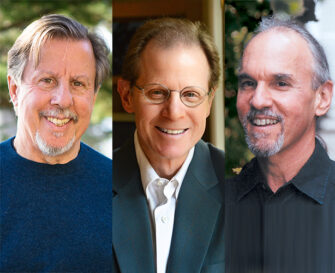
Richard Schwartz, PhD Dan Siegel, MD David Wallin, PhD
- How to Help Clients Make Sense of Multiple Narratives Competing for Dominance
- An Internal Family Systems Approach to Help Mediate Between Conflicting Narratives
- Case Study: How to Uncover and Work with a Client’s “Sub-Narratives”
Important Precautions for Working with a Client’s Self-Narrative
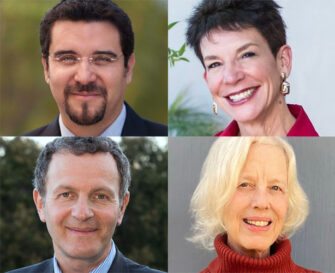
Miguel Gallardo, PsyD Deany Laliotis, LICSW
Zindel Segal, PhD Pat Ogden, PhD
- Specific Missteps That Can Push Clients Deeper into Their Narratives (and How to Avoid Them)
- How to Balance Between Invalidating and Over-Validating a Client’s Narrative
- Strategies to Help You Remain Calm and Effective When a Client’s Narrative Feels Overwhelming
- One Critical Assumption About Self-Narratives to Avoid

Strategies to Untangle the Origins of Your Client’s Painful Self-Narrative
Steven Hayes, PhD Deany Laliotis, LICSW Melanie Greenberg, PhD
Judson Brewer, MD, PhD Kelly Wilson, PhD Ron Siegel, PsyD
Rick Hanson, PhD
- Questions to Help Pinpoint the Origin of a Client’s Narrative
- Why the Specific Details of a Client’s Narrative are So Important to Uncover (and Practical Steps that Can Help)
- How to Determine If Your Client’s Seemingly Helpful Narrative Is Actually Holding Them Back
How to Work with Self-Narratives That Threaten to Derail Relationships
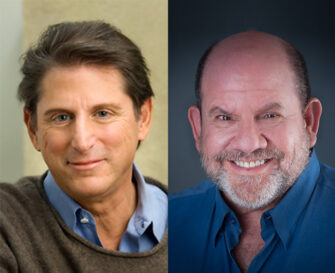
Terry Real, MSW, LICSW Stan Tatkin, PsyD, MFT
- How to Work with Attachment-Based Narratives That Wreak Havoc on Relationships
- Strategies to Tease Apart Narratives That Drive a Wedge Between Couples
- How to Work with Couples Who Bring Conflicting Narratives to Therapy
- One Challenge of Treating Harmful Narratives That Is Often Heightened in Couples Work
Register Here for $197 $97
and get all the videos, audios, transcripts, learning tools, plus 3 bonuses
to help you work with the narratives that sustain your client’s suffering
Up to 3.75 CE/CME Credits or Clock Hours are available for purchase at checkout.
Click HERE to get information about CE/CME credits and clock hours as well as speaker disclosures

You Are Protected By
NICABM’s Money-Back Guarantee
We invite you to register for this training program without any risk. Unless you are completely satisfied, we will refund your money. Just let us know within 30 days from the date of registration. We are that confident that you will find this information to be more than you expected.
For This Short Course, We Brought Together Some of the Top Experts in the Field

Bessel van der Kolk, MD
Neuroscientist and Professor of Psychiatry at Boston University Medical School. Author of The Body Keeps the Score: Brain, Mind, and Body in the Healing of Trauma.

Stephen Porges, PhD
Developer of Polyvagal Theory; Distinguished University Scientist at the Kinsey Institute at Indiana University Bloomington and Research Professor in the Department of Psychiatry at University of North Carolina Chapel Hill.
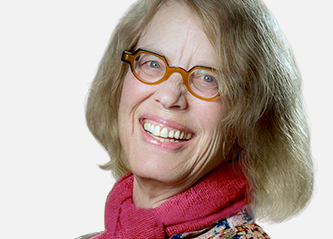
Pat Ogden, PhD
Pioneer in Somatic Psychology; Founder and Director of Sensorimotor Psychotherapy Institute (SPI); Co-founder of the Hakomi Institute; Author of Sensorimotor Psychotherapy: Interventions for Trauma and Attachment.
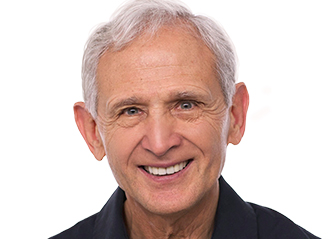
Peter Levine, PhD
Founder of Somatic Experiencing; Author of Trauma and Memory: Brain and Body in a Search for the Living Past: A Practical Guide for Understanding and Working with Traumatic Memory.
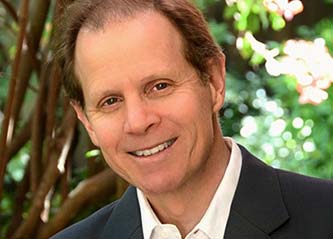
Dan Siegel, MD
Executive Director of the Mindsight Institute; Co-Director of UCLA’s Mindful Awareness Research Center; author of Mindsight: The New Science of Personal Transformation and The Mindful Therapist: A Clinician’s Guide to Mindsight and Neural Integration.
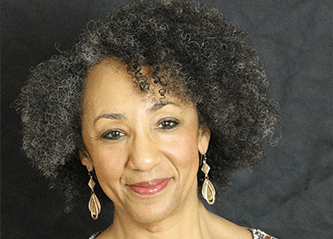
Shelly Harrell, PhD
Licensed psychologist specializing in multicultural and community psychology; Professor of Psychology in the Graduate School of Education at Pepperdine University.

Dick Schwartz, PhD
Founder of Internal Family Systems (IFS) and The Center for Self Leadership; Author of Introduction to Internal Family Systems.
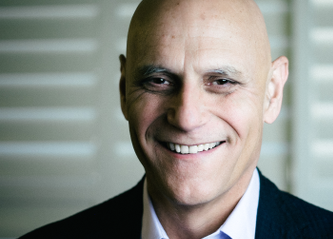
Steven Hayes, PhD
Creator of Acceptance and Commitment Therapy (ACT); Nevada Foundation Professor at the Department of Psychology at the University of Nevada, Reno.
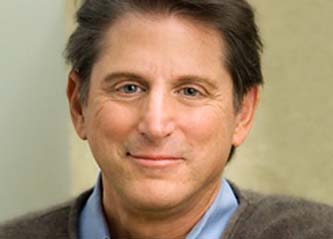
Terry Real, MSW, LICSW
Founder of the Relational Life Institute; Author of I Don’t Want to Talk About It: Overcoming the Secret Legacy of Male Depression and The New Rules of Marriage: What You Need to Make Love Work.
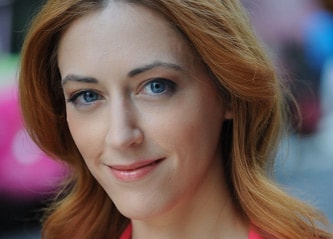
Kelly McGonigal, PhD
Health psychologist and lecturer at Stanford University; Author of The Upside of Stress: Why Stress Is Good for You and How to Get Good At It and The Willpower Instinct: How Self-Control Works, Why It Matters, and What You Can Do to Get More of It.
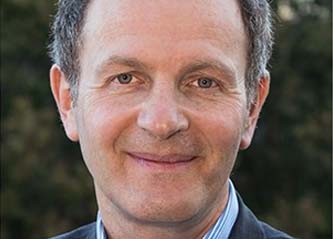
Zindel Segal, PhD
A founder of Mindfulness-Based Cognitive Therapy (MBCT); Professor of Psychology at the University of Toronto.
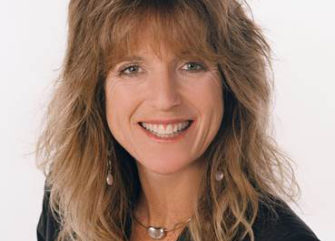
Bonnie Goldstein, PhD
Founder and Director of the Lifespan Psychological Center; Co-author of Understanding, Diagnosing, and Treating AD/HD in Children and Adolescents.
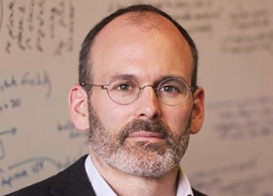
Judson Brewer MD PhD
Founder of Claritas MindSciences; Formative leader in combining mindfulness and neurofeedback techniques for working with addiction; Author of The Craving Mind.
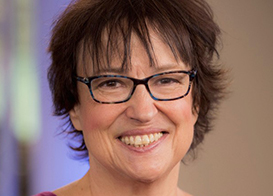
Melanie Greenberg PhD
Clinical Psychologist and Author of The Stress-Proof Brain.
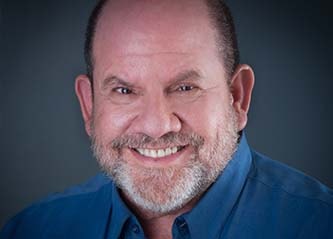
Stan Tatkin, PsyD, MFT
Founder of the PACT Training Institute and developer of a Psychobiological Approach to Couple Therapy (PACT).
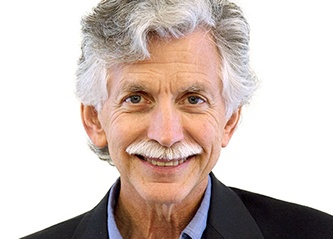
Ron Siegel, PsyD
Assistant Professor of Psychology, part time, Harvard Medical School; Author of The Mindfulness Solution: Everyday Practices for Everyday Problems; Coauthor of Back Sense: A Revolutionary Approach to Halting the Cycle of Chronic Back Pain and Sitting Together: Essential Skills for Mindfulness-Based Psychotherapy.
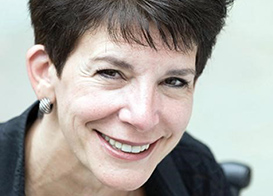
Deany Laliotis, LICSW
Director of Training at EMDR Institute; Specialist in treatment of traumatic stress disorders and attachment issues; author of chapters and articles on EMDR therapy.
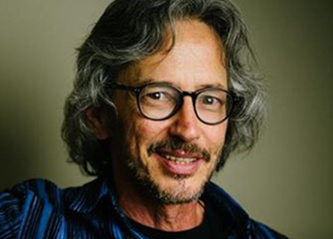
Kelly Wilson, PhD
Co-author of Acceptance and Commitment Therapy: An Experiential Approach to Behavior Change; Founder of OneLife Education Training, LLC.
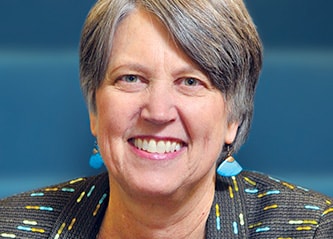
Christine Padesky, PhD
Co-founder of the Center for Cognitive Therapy in Huntington Beach, California; Co-creator of Strengths-Based CBT; Co-author of Mind Over Mood and Collaborative Case Conceptualization.
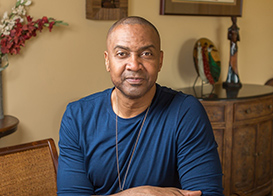
Resmaa Menakem MSW LICSW SEP
Expert on conflict and violence; Teacher of Cultural Somatics; Former Director of Counseling Services for the Tubman Family Alliance; Former Behavioral Health Director for African American Family Services in Minneapolis.

Rick Hanson, PhD
Senior Fellow of the Greater Good Science Center at UC Berkeley; New York Times bestselling author of Hardwiring Happiness and Buddha’s Brain.
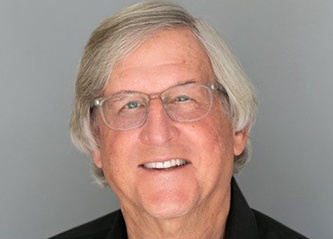
Michael Yapko, PhD
Leading expert in clinical hypnosis and treating depression; Clinical psychologist and author of 15 books including his newest books, The Discriminating Therapist and Keys to Unlocking Depression.
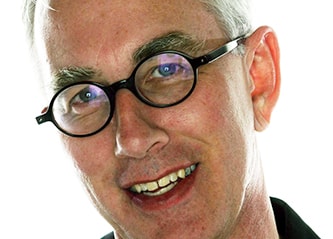
Bill O’Hanlon, LMFT
Co-developer of Solution-Oriented Therapy; Psychotherapist, speaker, and author of Do One Thing Different: Ten Simple Ways to Change Your Life.
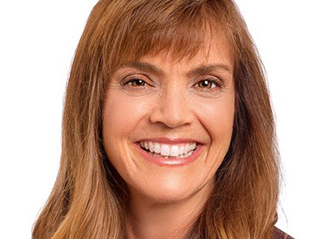
Lynn Lyons, LICSW
Author of Anxious Kids, Anxious Parents: 7 Ways to Stop the Worry Cycle and Raise Courageous & Independent Children, clinical social worker and psychotherapist specializing in anxiety in adults and children.
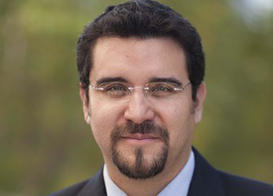
Miguel Gallardo, PsyD
Licensed Psychologist specializing in multicultural and social justice; Associate Professor at Pepperdine University’s Graduate School of Education and Psychology; author of Case Studies in Multicultural Counseling and Therapy.
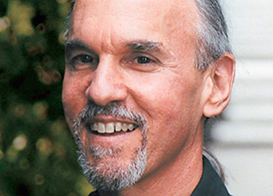
David Wallin, PhD
Clinical Psychologist; author of Attachment in Psychotherapy; Lecturer on attachment and psychotherapy.
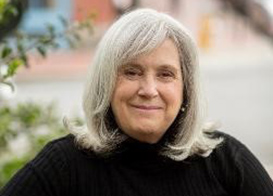
Deb Dana, LCSW
Coordinator of the Traumatic Stress Research Consortium at the Kinsey Institute; Developer of the Rhythm of Regulation Clinical Training Series; author of Polyvagal Theory in Therapy.
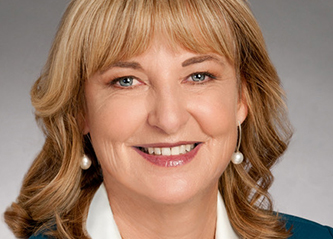
Laurel Parnell, PhD
Leading expert in Eye-Movement Desensitization and Reprocessing (EMDR); Author of Attachment-Focused EMDR: Healing Relational Trauma.
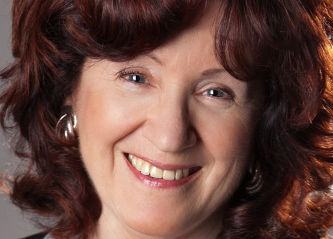
Sue Johnson, EdD
Creator of Emotionally Focused Therapy (EFT); Founder and Director of the International Centre for Excellence in Emotionally Focused Therapy.
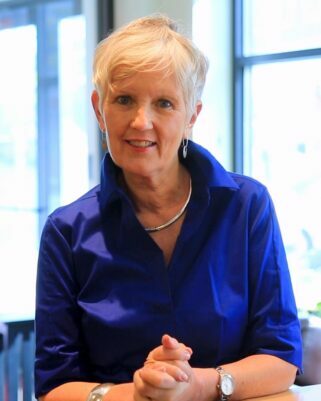
Course Instructors
Ruth Buczynski, PhD
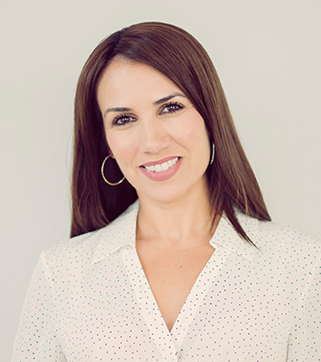
Ashley Vigil-Otero, PsyD
Here's What You'll Get:
Everything is yours to keep forever in your professional library

|
Downloadable videos so you can watch at your convenience, on any device |
|
|
Audio recordings you can download and listen to at home, in the car, at the gym or wherever you like |
|
|
TalkBack Segments to distill key ideas (this is where we “land” the session) |
|
|
Next Week in Your Practice sessions to give you concrete strategies to use with clients |
|
|
Professionally-formatted transcripts of the sessions, to make review and action simple |
|
|
Three downloadable bonus videos to help clients rewrite their negative self-narratives |
You’ll Also Get These 3 Bonus Sessions with Even More Strategies

Bonus 1: How the Nervous System Can Influence Self-Narratives (and Strategies to Work with It)
Deb Dana, LCSW
- A 3-Step Process to Help Clients Track the Nervous System’s Response to Self-Narratives
- How to Target the Nervous System to Help Clients Bring More Flexibility to Their Narrative

Bonus 2: Using EMDR to Target Past Experiences That Block New Narratives
Laurel Parnell, PhD
- How to Help Clients Uncover the Experiences That Fuel Their Rigid Narrative
- How EMDR Can Help Contextualize a Client’s Narrative and Make Change Seem More Possible

Bonus 3: Case Study: Using EFT to Shift a Fear-Based Narrative
Sue Johnson, EdD
- The Key Component of EFT That Can Help Shift Rigid Narratives
Register Here for $197 $97
and get all the videos, audios, transcripts, learning tools, plus 3 bonuses
to help you work with the narratives that sustain your client’s suffering
Up to 3.75 CE/CME Credits or Clock Hours are available for purchase at checkout.
Click HERE to get information about CE/CME credits and clock hours as well as speaker disclosures
You Are Protected By
NICABM’s Money-Back Guarantee
We invite you to register for this training program without any risk. Unless you are completely satisfied, we will refund your money. Just let us know within 30 days from the date of registration. We are that confident that you will find this information to be more than you expected.
Starting Today, This Program Can Change the Way You Practice
. . . I feel so fortunate to have this access to brain power, experience and research synthesis . . .
“When I listen to the experts talk openly about their experience, I feel so fortunate to have this access to brain power, experience and research synthesis on cutting edge issues! I go back to the videos to reinforce things that will assist my clients.”
Mary Logan, Counselor
Ipswich, MA

I benefit, my practice benefits, and most important my clients benefit . . .
“I live in Nova Scotia and have limited travel funds at the university at which I work. The series provided by NICABM gives me the rare opportunity to listen to the leaders in the field. As a result, I learn valuable information that would not otherwise be available to me. I benefit, my practice benefits, and most important my clients benefit from the knowledge and wisdom I gain from the series.”
David Mensink, PhD Counseling Psychology, Psychologist
Halifax, Nova Scotia, Canada
. . . some dare to go the extra journey to research and educate
“These NICABM series keep me afloat, in touch, on track, well trained in my field, and more personally healthy. The best aspect, though, is that I feel validated and comforted knowing that some dare to go the extra journey to research and educate, so I can walk the path to health, and can share with others.”
Mary Corsello-Vilcheck, LCSW
Midlothian, VA
Why the Transcript Is Essential:
Click the image to enlarge
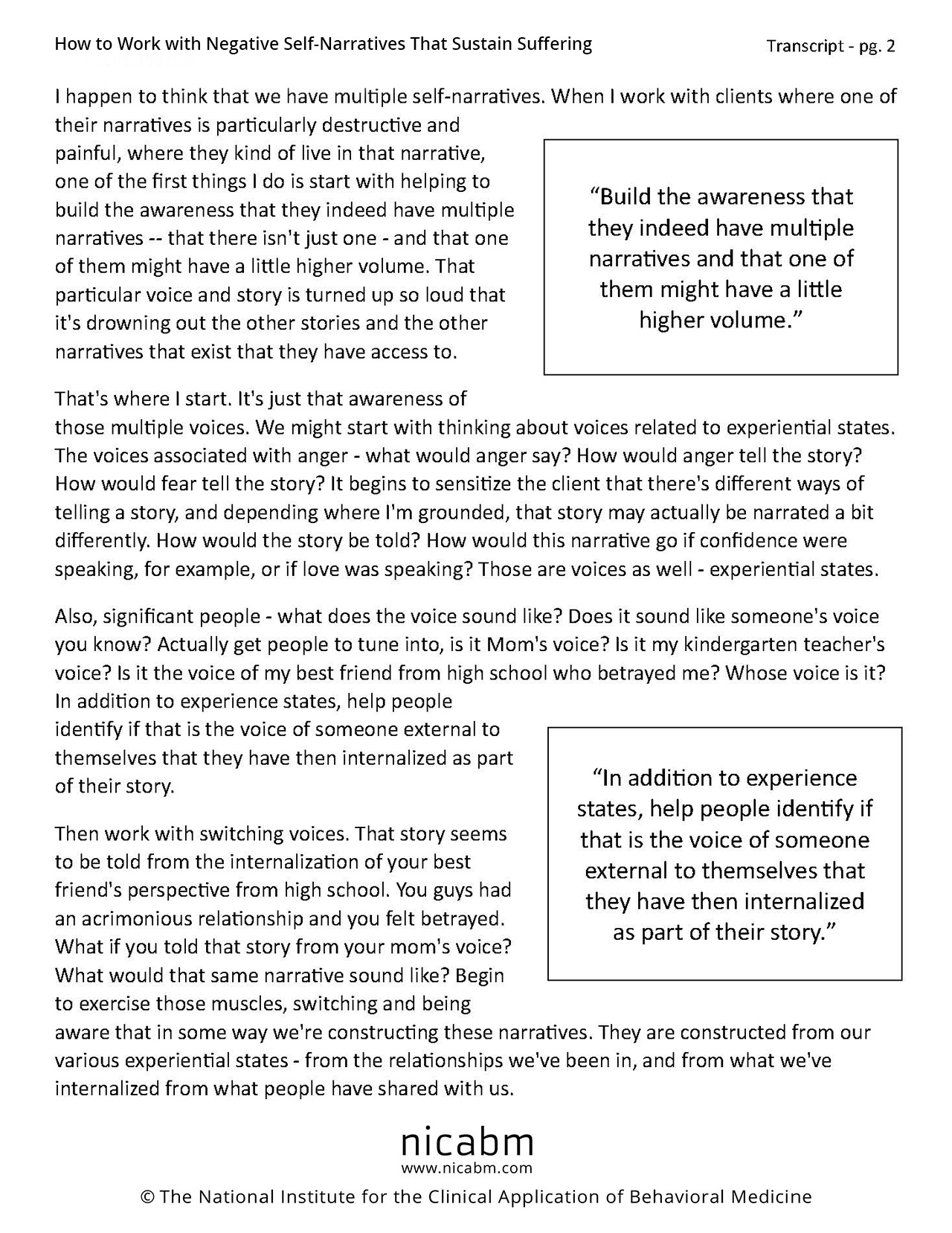
- The transcript makes it easy to go back and double check concepts, citations and names that are mentioned
- We put in a table of contents to make it easy for you to find the exact part of the webinar you need
- Having the concepts already written allows you to take notes on how you’re going to use the ideas rather than transcribing the ideas
- Some people simply learn better by reading than by listening or watching
- You will be able to print out and share techniques presented in the session with your patients

“I really liked being able to follow along with the transcripts as I listened…it was nice not to feel like I had to take notes. I really feel like I remember more when I both hear and see at the same time.”
Mary Ellen McNaughton, Masters in Counseling, Psychology Counselor
Kelowna, British Colombia, Canada
You Are Protected By
NICABM’s Money-Back Guarantee
We invite you to register for this training program without any risk. Unless you are completely satisfied, we will refund your money. Just let us know within 30 days from the date of registration. We are that confident that you will find this information to be more than you expected.
Register Here for $197 $97
and get all the videos, audios, transcripts, learning tools, plus 3 bonuses
to help you work with the narratives that sustain your client’s suffering
Up to 3.75 CE/CME Credits or Clock Hours are available for purchase at checkout.
Click HERE to get information about CE/CME credits and clock hours as well as speaker disclosures