Chronic Inflammation, the Brain, and Depression: How to Fold the Newest Research into Your Clinical Thinking
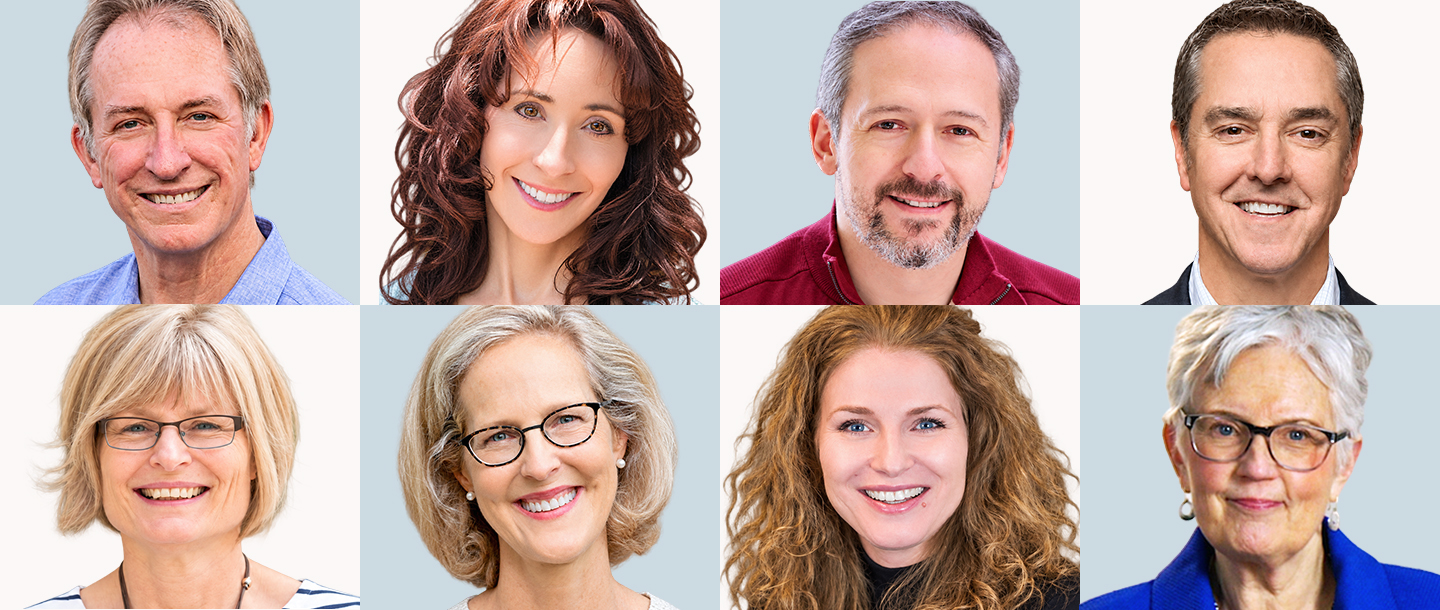
with Charles Raison, MD; Elissa Epel, PhD; Jonathan Kipnis, PhD; Chris Palmer, MD; Anna Marsland, PhD; Donna Jackson Nakazawa; Anna Huysse-Gaytandjieva, PhD; Ruth Buczynski, PhD
Sign up for the Gold Package
We want you to get better outcomes from having invested your time and continuing education dollars into watching this program. What are you going to do differently after watching this module?
Edith Lopez says
This is very helpful for seeing our role as part of a client’s overall health.
I am wondering about how the research that shows that how we perceive stress impacts the outcome of such stress, fits into all of this. I commonly share Dr. McGonigal’s “Make Stress Your Friend” Ted talk on this topic. I always wondered if by having the perception that stress only is bad for us if we think that it is, leads to self-care, and lower activation, and hence better outcomes.
Anne says
I have been pursuing education/training for nearly two years in these concepts as they relate to the intersection between mid-life women’s health/aging and mental health symptoms. It became clear to me years ago that I could not effectively treat my clients’ mental health symptoms without considering their physical health, medical conditions, etc. Our mental health is not an island separate from our physical health. My hope is that more general practitioner physicians will also understand this so as not to dismiss the body-mind connection and be open to working with their patients’ psychotherapists. I find this area of research fascinating and am thrilled to be able to focus on it as I move (well) into the second half of my career.
Kati Morrison says
Many thanks for the wonderful update of research. Both for the factual info as well as the inspiration for collaborative work with medical specialists.Explaining to patients of the scientific basis for their suggested behavioral change is essential. But it would be most helpful to have medical specialists also be trained on the psychological aspects of immune failure, inflammation.
As an aging retired psychiatrist, I greatly benefit from the presentation. Both for confirming the connections between the body and mind/behavior as well as adding aging into the parameters.
Natasha Clark says
I’m wondering if depression serves a purpose. If you slowdown, will you heal faster? Also, curious how pain fits into this paradigm. I have several clients who are depressed because they are in pain, mostly from arthritis.
Jennifer Wears says
The information that I received today will help me formulate a treatment plan that would better address the complexity that clients present with. I especially appreciate the necessity of the multi- disciplinary approach to patient care
Barbara Caspy says
I certainly have noticed that my clients who have had complex traumas, especially in their early years, have many more stress related illnesses than other clients I’ve worked with. It’s especially true for these clients who continue to have stressful lives. With the information I received today, I can explain to them the loop cycle between chronic stress and chronic inflammation. I’ve already recommended to them how to best decrease their level of stress and stress reactions, but I think their understanding of the feedback loop will increase their motivation to follow through with life-style needed changes.
Hannah Sherebrin says
I have accepted a new client next week which I suspect has some chronic inflamation issues on top of her mental health condition. This will help me explore with her the connection, and develope a treatment plan that may suit her better than what she had before. It is a complex case which includes trauma and possibly PTSD.
Leonard A Herrem says
This presentation totally confirmed for me that life is very complex and that we know very little for certain.
Stephen Reader says
First impression, first module: so useful to gain a view of the evolved and evolving _landscape(s),_ rather than “only” the maps, that we work with and in, whether counselling/coaching as in my case, where we have to be acutely aware of what is out of bounds and referral is the next step, or practising as fully trained MDs and psychotherapists. This is where we can all learn from one another (not least from our clients/patients, given!).
Thank you all for your breadth.
Sheryl says
There were so many useful insights, but one of the most impactful for me was to understand that there is a mechanism through which optimizing lifestyle choices improves mental health. It’s been shown that it does, but I think it would be much more motivating for people to do so if they understand that optimizing diet, exercise, sleep works by decreasing the inflammation that may be driving their depression.
I’d also love to know more about how obesity is an inflammatory condition and are there ways to decrease inflammation in that situation. I know, diet and exercise, but anything else?
Gail says
I found it interesting that inflammatory markers are only linked to depression in 30% of depressed people and that low scores of childhood trauma, good sleep patterns, exercise etc are associated with lower inflammation. It is not a simple connection and we must not be reductionistic in our thinking as we care for people.