The Neurobiology of Attachment
 |
with Dan Siegel, MD ;
|
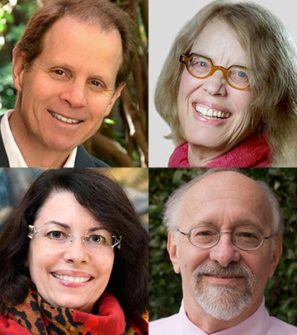 |
with Dan Siegel, MD; Ruth Lanius, MD, PhD; Allan Schore, PhD; Bessel van der Kolk, MD; and Ruth Buczynski, PhD
Sign up for a Gold Subscription

This is a learning community for practitioners. We can’t wait to hear what you’re going to use with your clients
But please do NOT:
- seek advice for personal problems
- ask for referrals
- post links or advertise a product
- post about technical problems
It has been very informative to learn that the right brain develops prior to the left brain and about negative effects of early developmental trauma on the development of the right brain. It has been equally important to learn that a relational connection with the therapist can help the client strengthen right brain circuits,
Thank you so much. Working with descendants of survivors of massacres in Central America.
Wish we could pay & grateful tat others make it possible. love & blessings, visionary ethics foundation
This version educative and inspirational. I appreciate most steps in physical support in building attachment on client with trauma.
This is amazing! I missed yesterday’s session, but today was really meaningful to me. I am going to sign up through my work tomorrow for a “Gold” subscription. Thanks for making this free to experience it!!!
B. Passalacqua
Thank you for making this available to me and other therapists. I am finding it very valuable. I especially found the ‘second ‘ trauma after sexual assault / abuse being the inability to share this with a secure and stable and safe parent and I will share this with a particular client,
Wow! As an adopted child now age 68, I have what feels like a ton of processing to do – luckily with my Houston, TX therapist – in regards to my time in the womb of a young girl age 17 (my birth mother) in a rural area in upstate NY whose parents were very strict and devout rural farmers. She had become pregnant with my birth father, probably 17 also, who later in life became a womanizer (info thanks to birth siblings i met late in 2024). Then i was adopted by two parents – my Mom was a very nervous and distant mother; and Father who was very left-brained. Thank you for “feeding me” research that may help to explain my lifelong avoidant behaviors (and eating), addiction to alcohol (now sober 36 years) and enduring depression. Very grateful. Kyle F. Houston, TX
I was touched by the invitation: ” Just ask the children, clients, what they need, to feel shure.” So simple and so big effect
It makes very much sense to me, to shift more to the ressources and support, what already went well, instead of fokussing
on what went wrong.