How to Identify and Treat the Invisible Wounds of Neglect
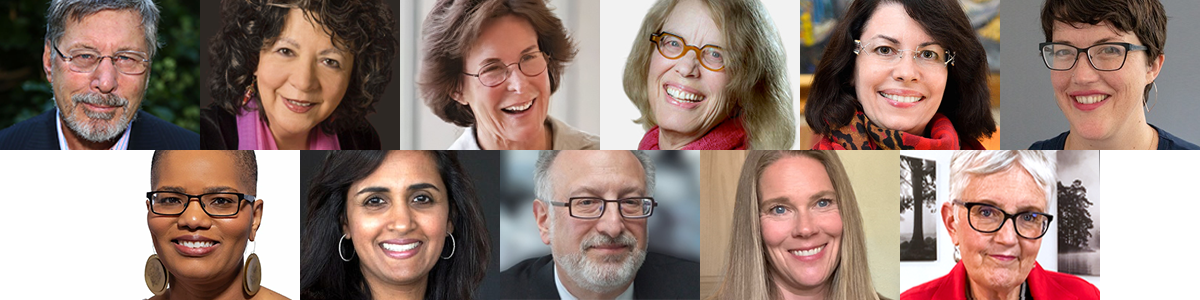
with Bessel van der Kolk, MD; Janina Fisher, PhD; Karlen Lyons-Ruth, PhD; Pat Ogden, PhD; Ruth Lanius, MD, PhD; Margaret Sheridan, PhD; Eboni Webb, PsyD; Usha Tummala-Narra, PhD; Martin Teicher, MD, PhD; Megan Schmidt, PsyD; Ruth Buczynski, PhD
Sign up for the Gold Package
We want you to get better outcomes from having invested your time and continuing education dollars into watching this program. What are you going to do differently after watching this module?
Thank you
Mt take aways:
Pacing interventions; not rushing into challenging beliefs.
Ax for neglect to ID the specific form(s) of neglect.
Very informative and useful. I would like some ways to more effectively use some of these interventions when working with clients virtually since that is becoming more commonplace.
Dear Ruth, and other healers/teachers: Thank you so much for allowing “laypeople” to attend this series and also welcoming us! It brought tears to my eyes and touched my heart to be welcomed and be/feel included with no need to hide.
I am so grateful to be able to access this material at a professional level. I started healing therapy back in 1997 when nothing was known/available about neglect as trauma. This new information is moving my process ahead at warp speed. It is naming what I still experience on a daily basis. It is extremely helpful for me to have the language and vocabulary to dialogue with my current therapist about my experiences. Kudos and gratitude to you for sharing! I will be participating in the ripple effect, for sure, in every way I can!
This was very informative and well-structured. It helped me to gain a better understanding of what certain clients may experience; so I will be more aware and sensitive towards these subtleties going forward. Thank you also for the helpful questions and practical wisdom from leaders in this field.
As an organisation (Early Starters International) working with refugee children in Eastern Europe and New York, the connection between trauma and neglect in early childhood is a very relevant topic. We constantly look for ways to prevent and treat trauma – and are grateful for the opportunity to deepen our knowledge.
Yulie Khromchenco, director of Early Starters International programs in Eastern Europe
For me having the insights and learning in ‘one place’ is pretty neat actually ~ I am also part way through the Conscious Loving program ~ so well done NICABM for developing the architectural means of participation. And, I too celebrate your aims for inclusivity beyond the ability to pay.
I am struck mostly by the reveals ~ the capture and release of learning ~ the use of self, both valourised and otherwise, to match and pace often minute and subtle non-verbal communication bringing attention to the unnoticed in equally subtle and minute ways.
Of the contributions made I have been drawn to Pat Ogden the most ~ the somatics of trauma, in all its incarnations and as also distinct from other neglect, has, and in my view, been systemically and societally unnoticed too.
The overall programme architecture is well, quite something.
Interesting to think about the neurobiological impact of lack of stimulation either cognitive or social/interpersonal. The possible etiology of the experience of “procrastination” and inability to act on one’s own behalf as well as take up space in one’s own life shed light on something I often encounter.
This increased my understanding about the experience of not feeling the body and not experiencing emotion. It seems there may be some overlap with the presentation of neglect and the presentation of the freeze response due to overt trauma. Both show shut down and numbness.
Something not mentioned is the possible presence of internal and external resources that allow for development of strengths and ability to survive in the midst of the deficits and the impact of the deficits thus producing the presentation of a highly competent person who can’t prioritize themselves or allow themselves to take up space in their attention and in their lives.
This video was very informational and specifically in the more detailed definitions of the different types of trauma and neglect. There was good new information and there was information that was validating in the work I have been doing. This was very professional and personable. Thank you all so much for the amount of effort and time you have put into this.
Avoiding eye contact, and procrastination/lack of self-care in adults as a result of childhood neglect. This is mind blowing!
yes, for me too! procastination, difficulty in self-care…
so these effects may sometimes also be traced to a special person in your family, neglect..
This may have such traumarelated results. It is a wound. Even if there is not this allover neglect or primary! care givers neglect??
Thanks so much for this really informative module. As an aspiring therapist who just passed her LCSW exam today and also an adult who experienced early childhood neglect and abandonment, so much of what was discussed here resonated with my own experience and how I hope to help clients in the future. The part about eye contact and actually feeling terrified to make eye contact, out of fear you won’t be met in that moment of eye contact or won’t be seen, is so important. I also think that the information about hypoarousal (neglect) vs hyperarousal (abuse, active threat of abuse) seems spot on, and appreciate the rationale. I’m excited to see how abandonment trauma relate to and is distinguished from basic neglect.
As another person commented, in the issue of eye contact it is important to consider cultural teachings, since some cultures consider eye contact as disrespectful particularly to someone who is older. So, ask questions first!
A number of interventions seemed to occur in an office as opposed to online. I think the intervention of modulating and becoming aware of eye contact and a wrap around shawl could not
be done with video therapy. I so appreciated the theory of types of neglect and I look forward to learning more about treatment both in office and through video work.
i am not a practitioner – I signed up because my 6 sisters and I were neglected, unknowingly for the most part, and we all suffer from anxiety amongst other issues. This was so interesting and in listening I kep thinking check, check, check! Thank you for the opportunity to watch these webinars. I look forward to hearing more – even though there is much I don’t understand 🙂 I shared the sign up information with my sisters – I know at least one has watched this webinar and has made a lot of notes. I love the way you ended this one with how what you all do has a ripple effect – it’s so true and thank you all.
I believe and have seen the success of meeting people where they are. Acceptance. Isn’t that what we all desire? Being seen. It gives us value. NEVER seeing ourselves in the position of being someone who can help this person. Better: I wonder if I can help this person see their value? For me, having a belief system in which every human has an innate value is very helpful. Make the connection. Give them time. What do THEY need? Ask the questions and don’t rely on tools.
I loved today’s session: it was so encouraging. I use these techniques and will use the ones I learned tonight in order to build relationships with my patients that I might help them be the person they want to be. And I use medicine as well.
Thank you for this training. As I watched it I took notes and did note how to use this with different clients and also thought about many couples I know where the husbands tend to neglect themselves by not going to the doctor. The insights in this training has been valuable to me. Thank you again.
For my clients who have experienced childhood neglect, I will definitely be pacing differently: Observing and attending to them first and not focusing on them connecting to feelings or ‘deserving’ attention.
Excellent. Meet them where they are. Plenty of time. Relationship first.
I’m a beginner when working with trauma. My awareness of this material will prove important during Biopsychosocials followed by me having the right questions at the right time.
I have a client that experienced neglect and she does not provide eye contact in session. I am going to implement Pat Ogden’s recommendation of noticing and tracking her emotions to help her feel seen.
Thank you for the generous sharing of information, but mostly the comfort and support that each therapist conveyed.
Greater understanding of the different types of neglect , the importance of pacing and starting with the client being seen .
Thankyou 🙂
That bit at the end where Ruth sees us, and thanks us… this whole training session in action. Made me cry to be acknowledged.
Demonstrate you can tend to them (client/loved one). Using “I see that you…” versus “you seem…”
Interesting that relaxation does not work all the times. It is important to consider the purpose of interventions. Thank you!
Yes! This was a surprise to me as well.
I am a chaired professor of violence prevention research, certified yoga instructor, and a human among many who has suffered from complex trauma. The scientific evidence on bodymind therapies is compelling, and my lived experience has been transformative. I look forward to more insights from this exciting program.
Hello, just wanted to say thank you!!!
You have given me so much information and increased my understanding of trauma. I already using some basic training with my clients and seeing result, little by little they gain some sense of themselves.
I’m truly happy to be here.
Virginia S
This information about neglect really opens my eyes to all the ways in which people suffer from childhood abuse and how it is so well hidden. The sad part is that these types of abuses seem to be on the rise. We need an army of therapists in schools before things get out of hand. Unfortunately in Houston, Texas the first thing that the state appointed superintendent did was cut special services. It is so disheartening and frustrating…
This is excellent! The content and practices are superb and interesting and very helpful. Thank you!
One thing I noticed is in the use of low-income families being discussed, it did not feel connected to or to name clearly, the systems (racism, for instance) involved in creating and maintaining the symptoms/groups who don’t have access to resources or have to work 3 jobs..,etc. My experience has been that, for instance, with racism, a white person naming or acknowledging these as realities when they come up, not as a political idea or an opinion, but a real systemic issue is important to their feeling seen and understood.
The -isms were mentioned. I just wanted to share should that be valuable to consider for anyone.
Thank you again for helping all of us to grow and know more.
Thank you so much for this reminder of what is really important while approaching clients with neglect and traumatic experiences. I already use a lot of the techniques shown, but the idea of therapist “closing eyes” so the client can feel safer, really helped with one particular client that I was thinking of, while learning with you guys. I work mostly with CPTSD survivors, so I know this lessons will be very useful for me and accordingly to them.
Best regards from Serbia, looking forward to follow you again next week. 🌷
As a Naturopathic Physician who uses IFS and other healing methods to guide people to create and sustain better self care practices, I deeply appreciate the many distinctions in this program on how the wounds of neglect can interfere and undermine us to take consistent actions that allow us to connect to our self and trust we deserve the positive feedback of loving ourself. I signed up for the entire program and am eager to learn more. I designed the online LOVE YOUR BODY program in 1981 that about 20,000 people have done focusing on trust, forgiveness and compassion. I feel privileged to listen to the guidance of these teachers and look forward how I can create more space to listen to the unspoken needs to neglect and shame when I am coaching and working with clients. Many many thanks
I really appreciate the focus on neurobiology and differential diagnosis of sources of trauma/neglect/emotional and different responses. I misjudged some pacing with a client due to not differentiating and remembering the difficulties with attuning to emotion/naming internal experiences and emotions. Very helpful piece to recovery and treatment literature!!
Having a close captioned video would also really help. I can understand most of the information, but English is a second language for me. Written speech makes it easier for me to listen and comprehend. It’s less work.
Thank you so much! Great session.
This info gave me valuable awareness and tools to help me better understand and guide my foster son with his trauma. Thank you.
Good for you! I work with so many foster/adopted kids that were born into and grew up in traumatic environments. It’s different! Thank you “for your service”!
This will be very helpful n working with my homeless clients who generally have a high level of adverse childhood experiences and a great deal of difficulty talking with anyone. The strategies you shared will be helpful. Deb Washington state
Although I have not had clients who have had the type of neglect spoken about, I have noticed the same problems with clients who have suffered trauma particularly as a child in that they do not seem to be able to connect to their emotions. when asked what does it feel like they cannot say as it is my opinion, they have been neglected in this area they no longer feel the emotions as they have been rejected when they have done so previously.
I am a trauma survivor and appreciated this so much. I’m applying to grad school and plan to become a therapist to help others. This webinar taught me so much, and I feel uplifted by the final quote: When you help someone heal from trauma, you change the course of civilization. It seems another byproduct of neglect may be underestimating our own impact and potential – so, hearing this reassured and inspired me.
I know, as a trauma survivor, that at times, it’s hard to listen to these programs when you identify so much with the victims and the difficulties clients have in their lives. The more insight we can gain about ourselves, the more insight we can have and be so beneficial to others. I believe that what we experience in our lives and receive restoration and comfort for, we can, and are almost required to, offer to others. This way we can see our loss as gain, and a way to exact revenge on the “enemy”. Brava, you!
As a counsellor still in training, I will be trying to integrate the skills of expressing how I see my client in the moment, as per congruence and developing the therapeutic relationship, through body language cues etc. Really interesting to hear real world experiences from experts in their fields, thank you.
I really appreciate you doing this segment. The only time I’ve heard about neglect in this context was through ISSTD. I have several clients who present with both emotional and traumatic neglect. Listening to Pat Ogden talk about the impact of noticing that they were sad, for example really resonated and I’ve seen that in my practice. I love the example of using a shawl to let the client experience a sense of a hug. I have stuffed animals and blankets I’ve used for this purpose. I’m also thinking about the example given when identifying societal neglect and how people have to do things in order to be seen or in order to not be left out. That feels important and I’ll think about that more. Again, THANK YOU.
Came straight from a funeral to this session, missed part of the beginning, but what was really important for me to hear was the difficulty some patients/clients may have “looking up”, “making eye contact”. Thank you for all the tips on how to make progress with seriously neglected/traumatized clients!
Hi! I am one of those clients and resonated with this. I liked the phrase “the terror of eye contact.” I’ve always felt ashamed of that specific challenge and like it makes me strange. Now, there is a comfort in understanding it’s simply a reaction in my body. Thank you for doing the work you do.
It never occurred to me (I even noticed it in myself last week despite that I am a professional) that I had a great difficulty in eye contact, that I could act confident and self-assured, but making eye contact took real effort. Now I see why!
Thank you! The task of noticing is so important. I try to practice this with my students who are academically fragile. (I teach in a college transition program.) I think there are many parallels between parental neglect and educational neglect / the latter could fall under systemic or societal neglect.
Thank you again. Very interesting session.
Diana Marginean
Work slowly. Attune first before deep processing. Neglected not used to being cared for.
Such an important observation!
I like the differentiation of the definitions of trauma. Was thinking of lots of families/children who have experienced many of the neglects prior to coming onto the care system and being adopted (UK). Grappling with ‘hypo-ness’ of the children who cannot respond, or put into words or savour the ‘good stuff.’ And the disappointment of the adoptive parents when they are not responded to.
Was a good reminder. Also liked the reminder to ‘not dig for feelings’ and to attune and let the clients know they are seen, as demonstrated by the speakers.
Thank you.
I agree. I found this differentiation extremely interesting and thought provoking
Thank you so much, great start! I believe in body work for trauma patients – so Pat’s ideas of hand movements to take “energy in” and putting a blanket around the patient are helpful. Also: First building a good, save and trustful connection as a base of every following step and not aiming for deep emotional work at the beginning are key notices. (Just one question: B.van der Kolk says only one sentence, all the other therapist are creating the whole content of the session, why does Bessel get the first place of the advertisement? Just because he is the most known of all?).
I work in small groups of infants and their parents over a two year period of weekly gatherings. When I’m with a client, I’m also with their very young child who demonstrates separation/individuation and attachment seeking behavior while at play in a developmentally appropriate setting. I observe, and together the parent(s) and I tell what we notice and sense, avoiding interpretations. I will use the eye contact gauge to encourage being present. What often evolves is the self-revealing process of more understanding how their adult responses – rather than reactions – come from a higher executive functioning self, expressing compassion and empathy. These pauses bring deeper awareness for adult and opportunities for infant expressions of self-regulation, contentedly growing their cognitive connections too!
Thank you for this insightful and informative webinar which helped me understand so much about myself, my life, life choices, and recognizing what my childhood neglect actually looked like. I am so thankful to you and the team of professionals for your time, expertise, and advice.
Thank you! Understanding a little more of the neurobiology of trauma and connecting that with the interventions I make as a therapist with my patients, reinforces the more tender, big-eyed therapist self that can truly see the patient, in a way that is welcoming and not threatening.
Love this conversation. Working with Firefighters, I have the opportunity to connect with those who respond to our worse days, over and over again. The continual exposure to trauma comes with a high price for individuals and our entire world. I appreciate the opportunity to learn more about the human condition and how we can assist others to heal, recover and thrive.
Thank you!
I am not a therapist, but a civil law judge in the Netherlands. I am professionally and personally interested in how people connect and how I can connect to the parties before me, although in court you only have very little time to invest in the relation. It is very interesting to get some more background on the topic of emotional neglect; it might help me to try to bring the parties a bit closer to a solution other than my written verdict (which they of course get when mediation techniques do not work).
I agree with you that neglect is a major cause for a lot of problems in society. Thank you for this first lecture, I’ll try to be there again for the second and subsequent lecture(s).
the discussion about eye contact was very helpful. I am a spiritual director/companion who addresses in others and who experienced significant spiritual trauma. Looking forward to more. I was hoping for some information about individuals who experience violence outside the home when care isn’t provided due to lack of knowledge that abuse happened. in otherwords unintentional neglect to the child’s needs due to children. then adults. unable to speak about the violence. thanks so much!
I found this interesting as with indigenous Australians they have told us that they do not do eye contact as this is a sign of disrespect in their culture. I think it is in other cultures too. I guess it is being empathetic and knowledgeable of different cultural backgrounds.
Good evening, Miss Ruth Buczynski,
the writing below the video does not fit with the persons who speechs. It would be easier for me and persons who not so perfect in English.
The information is very helpful for practioner in Trauma-Therapy.
Thanks for creating this.
Sincerly
Raimund Hargesheimer